
Pedaling for Life: How Cycling Fuels Body, Mind, and Planet
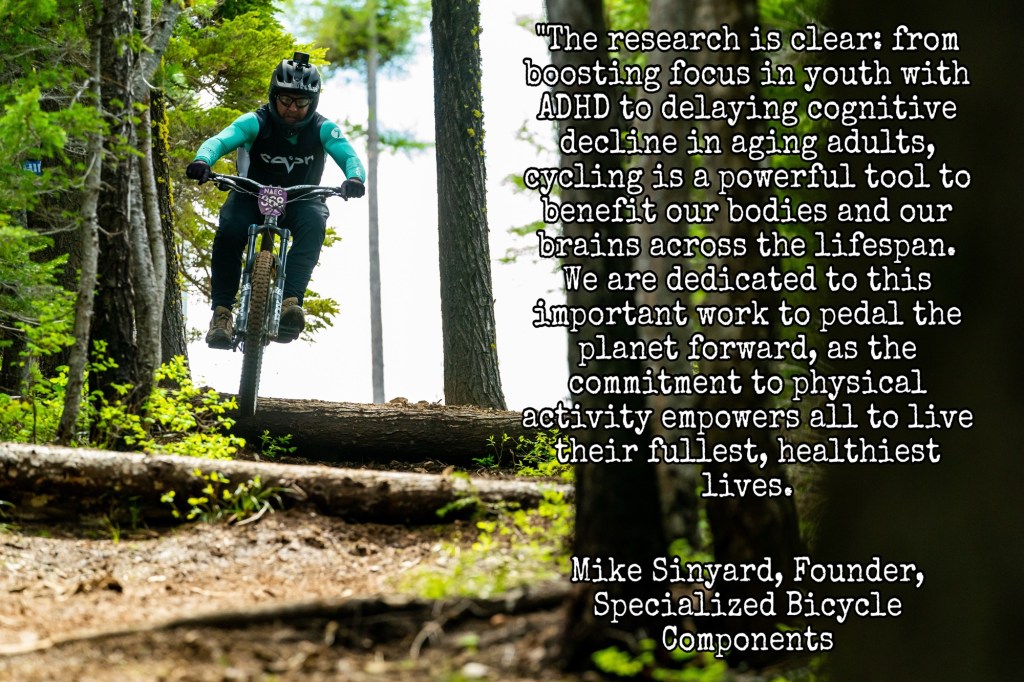
Step onto a bike, clip in, and start to move. The rhythm is steady, the air shifts against your skin, and something changes—not just in your legs, but in your entire being. Cycling is more than a workout. It is a form of medicine, a tool for focus, and a ritual of renewal that spans the whole human lifespan.
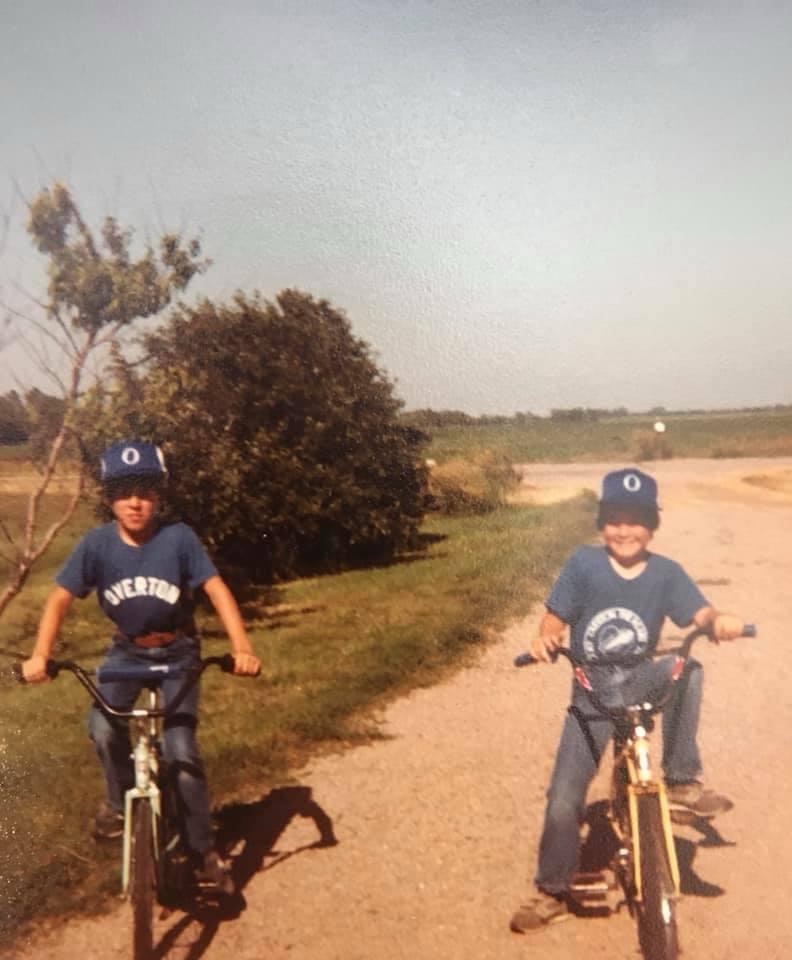
For kids, the simple act of pedaling can be transformative. Youth today are often pulled in a dozen directions at once, their attention splintered by screens, school, and social pressures. The bike offers a reprieve. It demands balance, presence, and rhythm—all elements that sharpen concentration. For many children who struggle with attention, the circular cadence of wheels turning can provide a surprising clarity.
As we age, the stakes shift. Memory, sharpness, and reaction time become precious resources we hope to preserve. Cycling offers a way to do exactly that. Aerobic movement nourishes the brain with increased blood flow, supporting cognition and protecting against decline. Every ride becomes a small investment not only in cardiovascular fitness but also in the longevity of mental agility.
But perhaps the most powerful trait of cycling is its accessibility. You don’t need a stadium, a membership, or even perfect health to ride. The practice scales effortlessly—from a child’s first wobbly push down the driveway to an elder’s daily spin through the neighborhood. The barriers to entry are low, and the returns are extraordinary.
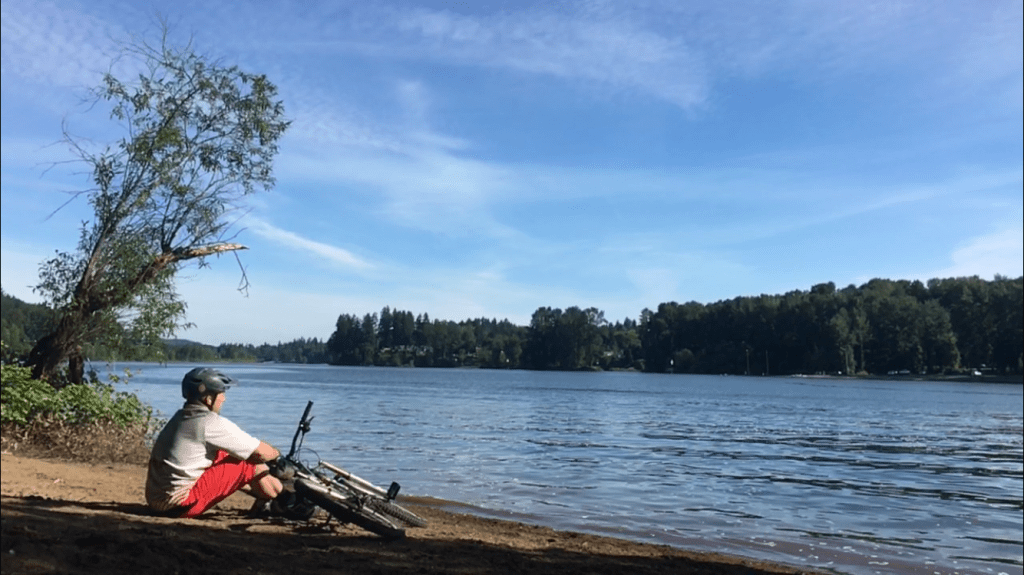
The rewards aren’t just physical or cognitive. Anyone who has coasted down a quiet stretch of road knows the mental lift that comes with it. Stress dissolves in the wind. Anxiety lightens with every mile. The connection to fresh air, open space, and the immediacy of motion offers something no pill or screen can replicate: the felt sense of freedom.
Communities benefit, too. Towns and cities that embrace bikes create healthier citizens, stronger social bonds, and even cleaner air. Safe paths and trails invite neighbors to meet, families to share adventures, and commuters to swap gridlock for fresh air. The ripple effect goes far beyond individual well-being, creating cultures of connection and sustainability.
There’s also a larger story—one of stewardship. Each time we choose to ride instead of drive, we reduce our footprint, however modestly. Multiply that choice across thousands of people, and cycling becomes not just an act of health but an act of planetary care. In that way, every ride is both personal and political, intimate and collective.
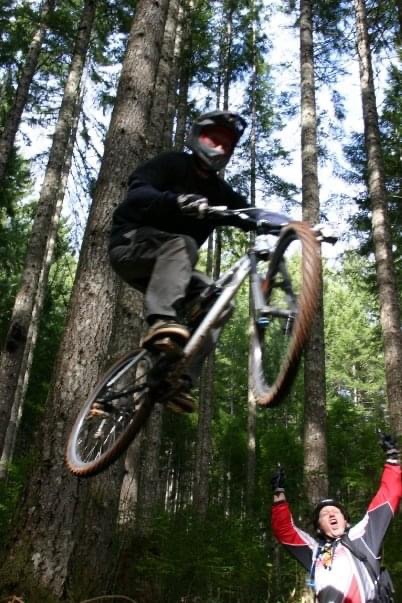
At its core, cycling is about possibility. It is the possibility of sharper focus in childhood, graceful aging in later years, calmer minds in stressful moments, and stronger communities across the map. It is a reminder that sometimes the most powerful tools are the simplest. Two wheels, a frame, and a path forward—that’s all it takes to change a life, and maybe even the world.
Categories: Opinion
 Opinion: Lines, Limits and Letting Go
  Opinion: The Healing Rhythm of the Ride
  Opinion: The Link Between Float Tanks and Performance
  Opinion: The Art of Recovery // Healing Right After a Mountain Bike Injury
  Cascadia MTB
Leave a comment