
Mountain Biking, Flow State, and the Psychology of Healing

When the Trail Becomes Therapy
Mental health challenges such as depression and anxiety often leave people feeling trapped, isolated, and disconnected from daily life. Traditional treatments—therapy, medication, and lifestyle shifts—are critical, yet many find themselves searching for additional tools to help regulate mood and restore balance. Mountain biking, with its unique combination of physical effort, outdoor immersion, and mental engagement, is emerging as a surprisingly powerful pathway to psychological well-being.
The Power of Flow
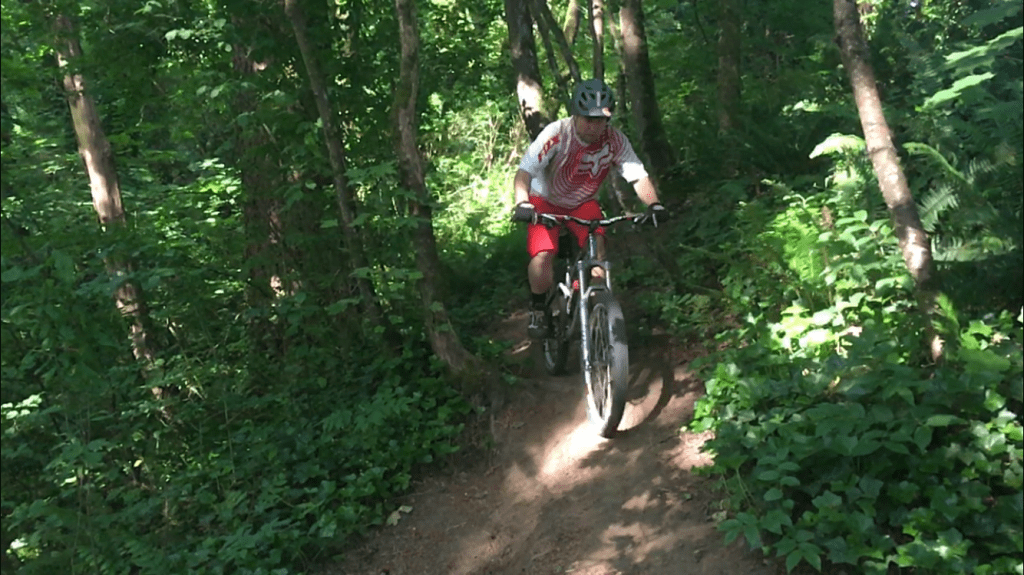
Central to mountain biking’s mental health benefits is the concept of “flow.” Coined by psychologist Mihaly Csikszentmihalyi, flow describes a state of complete absorption in an activity where challenge and skill are perfectly matched. For riders, this often happens while threading through technical terrain, focusing intensely on the rhythm of pedaling, braking, and shifting body weight. In flow, self-consciousness fades, time distorts, and the brain finds reprieve from the constant chatter of worry or rumination.
Nature as a Healing Partner
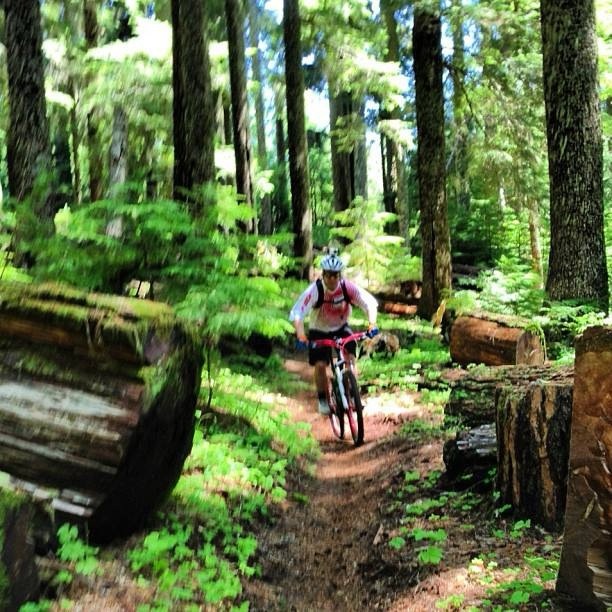
Equally important is the environment itself. Studies consistently show that spending time in natural spaces reduces cortisol, lowers blood pressure, and decreases negative thought patterns. For mountain bikers, the trail provides a direct line into these benefits. The rustle of trees, the smell of dirt, and the panoramic views after a climb immerse the senses, shifting the nervous system away from fight-or-flight and into restoration. This sensory immersion alone can be profoundly healing.
The Chemistry of the Ride
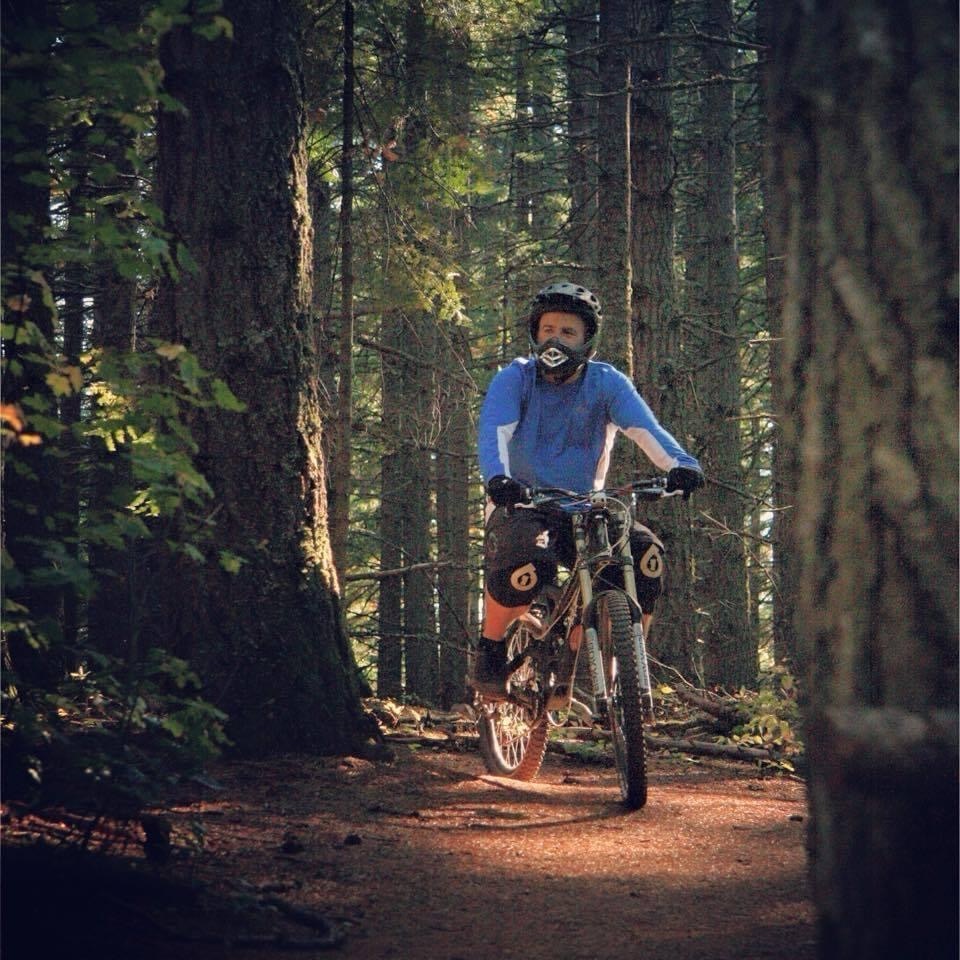
Physiology also plays its part. Like other forms of cardiovascular exercise, mountain biking stimulates the release of endorphins and dopamine—neurochemicals strongly linked to improved mood and resilience. Adrenaline from challenging sections adds to the mix, sharpening focus while creating a post-ride afterglow. This cocktail of neurochemistry not only elevates mood but also helps regulate sleep and energy, both of which are often disrupted by depression and anxiety.
Building Mastery and Confidence
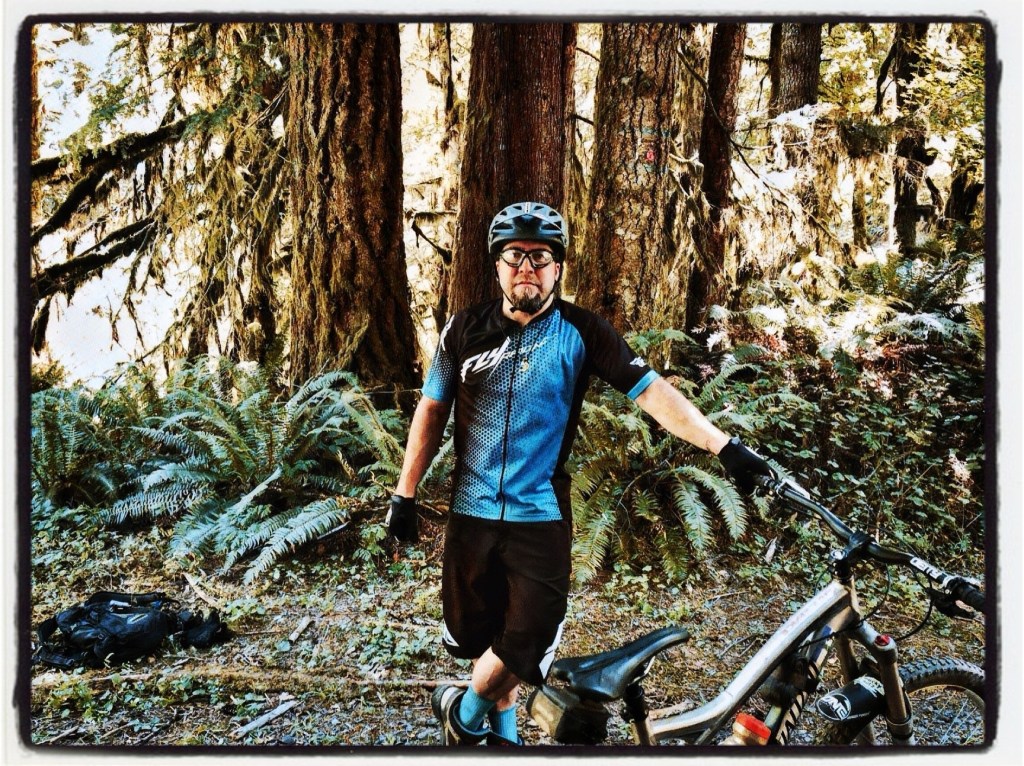
Depression is notorious for eroding self-esteem, but mountain biking provides steady opportunities to rebuild it. Each conquered hill, each technical feature successfully navigated, becomes a tangible reminder of competence and growth. These victories, whether small or large, help riders develop a sense of mastery—one of the core psychological needs identified by self-determination theory. Over time, confidence gained on the bike can transfer to other areas of life, reinforcing resilience beyond the trail.
The Role of Risk and Reward
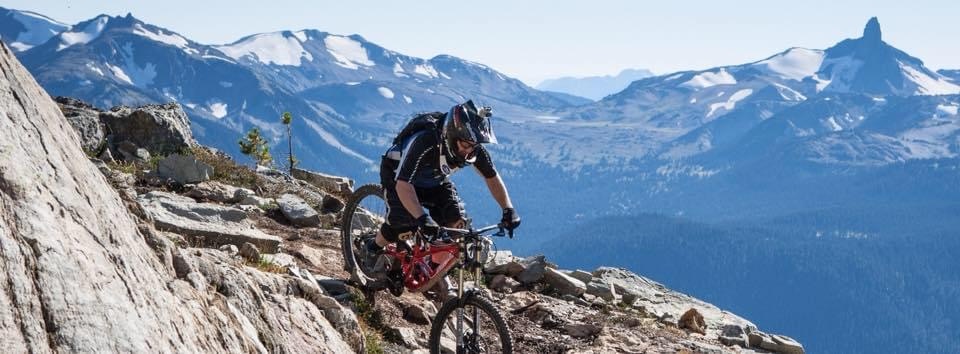
Unlike some forms of exercise, mountain biking inherently involves risk, and paradoxically, this is part of its healing power. Risk demands focus, pushing the rider into the present moment. When successfully managed, it transforms into exhilaration and pride. Learning to navigate fear on the trail—trusting skill, judgment, and preparation—parallels the process of navigating fear and uncertainty in daily life. This practice of leaning into challenge, rather than retreating from it, strengthens psychological flexibility.

Connection and Community
Mountain biking is not only an individual pursuit; it also thrives on community. Group rides, trail-building events, and local cycling clubs create a sense of belonging that directly counters the isolation depression often fosters. Social connection is a protective factor for mental health, and the camaraderie of shared effort helps riders feel supported and understood. This blend of solitude on solo rides and connection in community creates a healthy balance that supports emotional stability.
Flow Beyond the Trail
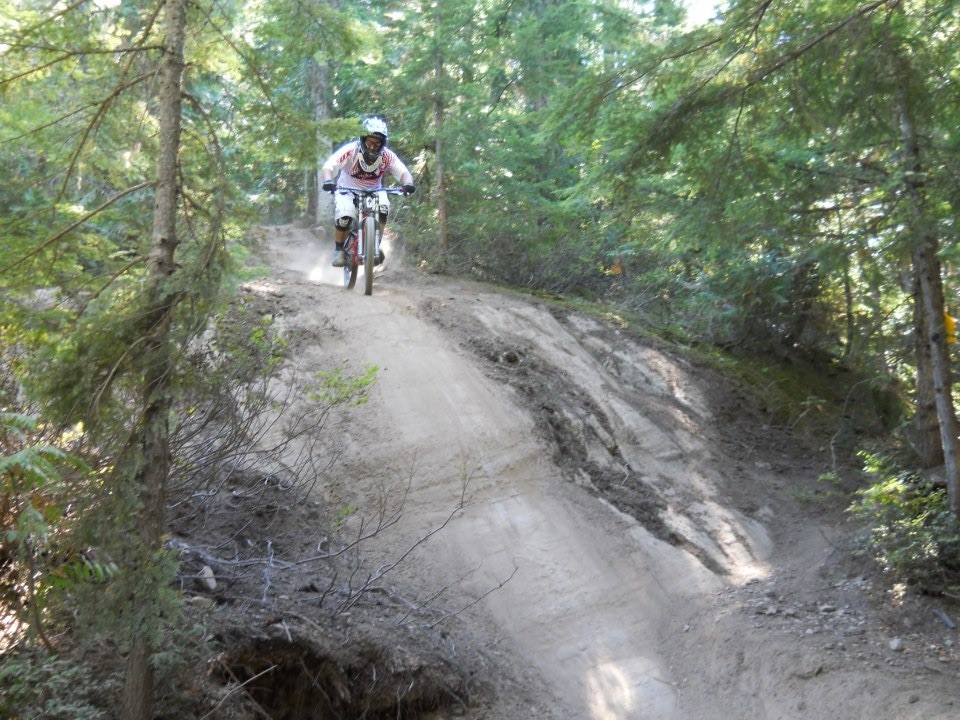
Ultimately, the lessons of mountain biking—and the flow state it fosters—extend far beyond the trail. Riders learn to stay present, adapt quickly, and embrace both struggle and triumph. These skills mirror many therapeutic practices used in cognitive-behavioral and mindfulness-based interventions. In this way, mountain biking is more than recreation—it is a lived practice of resilience, a natural antidepressant, and a reminder that healing can sometimes be found in motion, on two wheels, surrounded by nature.
 Cascadia MTB
Leave a comment