

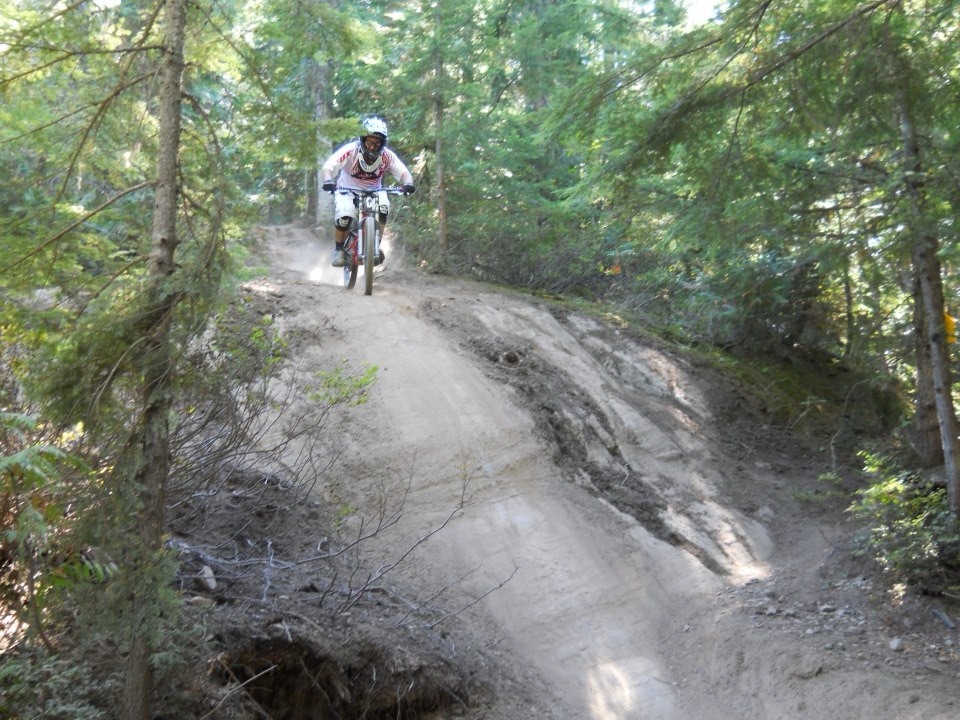
While riding, I lost my GPS device. It might have been one of the best things to happen to me lately while mountain biking. At the risk of sounding like a Luddite, I decided to share a little about why I think we should use technology like Strava and other tracking applications sparingly when we mountain bike.
The Shift from Presence to Performance
Mountain biking has long been about immersion—about the feeling of the forest wrapping around you, the rhythm of your breath matching the terrain, and the quiet thrill of flowing through a trail’s natural lines. Strava and similar applications have subtly but powerfully shifted this focus. What was once an experience centered on the ride itself has turned into a data-driven performance metric. Riders often find themselves thinking about segment times, average speeds, and personal records rather than simply enjoying the terrain in front of them.
Turning Nature into a Racetrack
Strava segments can turn every stretch of singletrack into a competitive course. Even on casual rides, the awareness that your time is being tracked and compared to others transforms the mental landscape. Riders begin to approach trails not as spaces for exploration and connection, but as arenas for performance. Corners once taken for fun are now taken for speed; climbs once enjoyed for the challenge become mere opportunities to shave seconds. The trail becomes less of a living space and more of a stopwatch.

The Erosion of Flow and Intuition
Good mountain biking involves listening to the trail—reading its lines, feeling its rhythm, and adjusting instinctively. But when Strava is in the back of your mind, intuition can be overridden by calculation. Riders may brake less when they should, skip playful features, or push into sections beyond their comfort zone simply to improve their times. This not only reduces the quality of the ride but can actually dull the organic, responsive skill set that mountain biking develops.
Community Shifts Toward Competition
Mountain biking has deep communal roots: post-ride hangouts, shared trail work, waiting for your friends at intersections, and celebrating each other’s small victories. Strava subtly replaces these social bonds with competitive hierarchies—leaderboards, KOMs, and PRs. Instead of shared moments, there are rankings. Instead of collective trail appreciation, there are quiet rivalries. While friendly competition can be healthy, the platform often amplifies ego and comparison at the expense of camaraderie.
Undermining the Spirit of Exploration
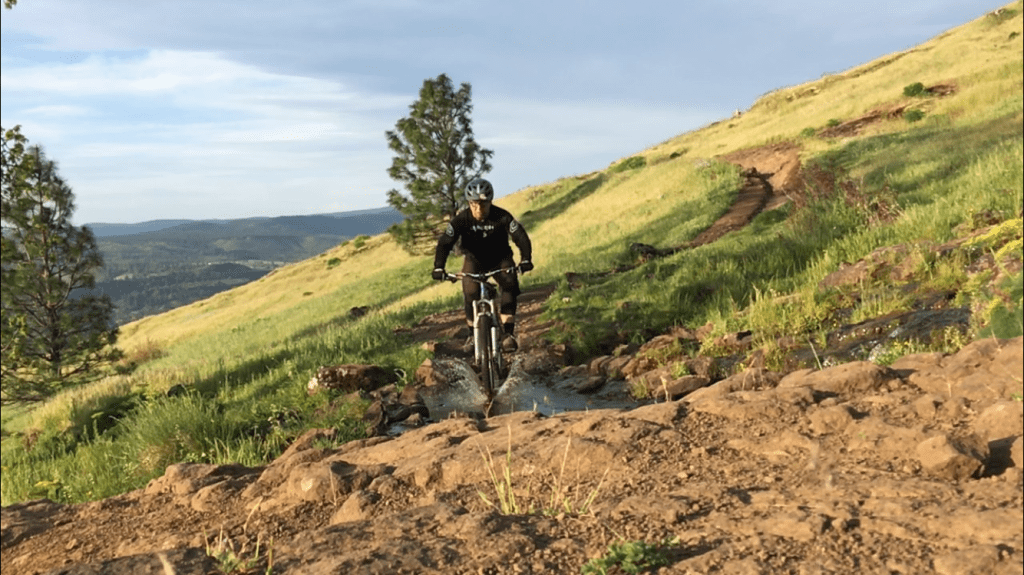
One of the great joys of mountain biking is discovery—taking a new line, wandering onto lesser-known trails, or stopping to take in a view. Strava encourages the opposite. Because segments are predefined and rewards are attached to speed, riders often stick to the most “measurable” loops rather than exploring. Trails that don’t offer leaderboard potential get skipped, and spontaneous detours lose their appeal when they might “mess up” a clean data set.
Psychological Pressure and Burnout
The constant measurement of performance can create invisible pressure. What began as a hobby becomes something to “improve at” relentlessly. Riders feel disappointed if they don’t beat their previous times, or they avoid rides when they know they won’t be “fast enough.” This mindset can erode the joy of the sport, leading to burnout or even injury as riders push beyond healthy limits to maintain digital status. The purity of the ride becomes clouded by expectation.

Privacy, Land Use, and Trail Stewardship Issues
Strava can inadvertently reveal sensitive trail locations, including unauthorized or locally maintained trails meant to stay under the radar. This can lead to increased traffic, erosion, or legal issues that harm local trail networks. In many communities, trail builders have found their quiet creations exposed overnight by a single uploaded ride. The platform’s focus on sharing every route undermines the discretion and stewardship ethic that mountain biking culture relies on to protect fragile spaces.
Reclaiming the Ride
None of this is to say that technology itself is inherently bad—data can be motivating and useful in moderation. But it’s important to recognize how platforms like Strava reshape the very experience of mountain biking. By intentionally leaving the app behind, or at least shifting its role to the background, riders can reclaim presence, playfulness, and connection. Mountain biking’s magic lies not in leaderboards, but in the unmeasurable moments: the smell of cedar, the sound of tires on dirt, the feeling of being completely alive in motion.
Categories: Lifestyle, mountain bike, Opinion
 Opinion: The Art of Recovery // Healing Right After a Mountain Bike Injury
  Opinion: The Interbeing of Mountain Biking
  Cascadia MTB
Leave a comment