
In 2018, my life changed in an instant when I suffered a concussion and traumatic brain injury. What I thought would be a temporary setback turned into a year and a half of lingering symptoms—pain that seemed to come from nowhere, waves of depression, trouble focusing, and a heightened sensitivity to light and sound that made even simple daily activities overwhelming.
Even now, years later, some of those sensitivities remain. Bright lights and loud noises still push me past my comfort zone, reminding me that healing from a brain injury can be a long and arduous journey. Living with those challenges has forced me to slow down, to notice my limits, and to find new ways of moving through the world.
That’s what led me here: to dig deeper into what it really means to sustain a concussion and traumatic brain injury. It’s more than just a medical diagnosis—it’s an experience that reshapes your life, your relationships, and your sense of self. Writing about it is my way of making sense of that journey and, hopefully, helping others who may be walking a similar path.
Note: My brain injury was caused by a Jiu Jitsu / MMA accident. For the purposes of this website, I’ve chosen to frame the discussion in the context of cycling.
Concussions and Traumatic Brain Injury in Mountain Biking and BMX
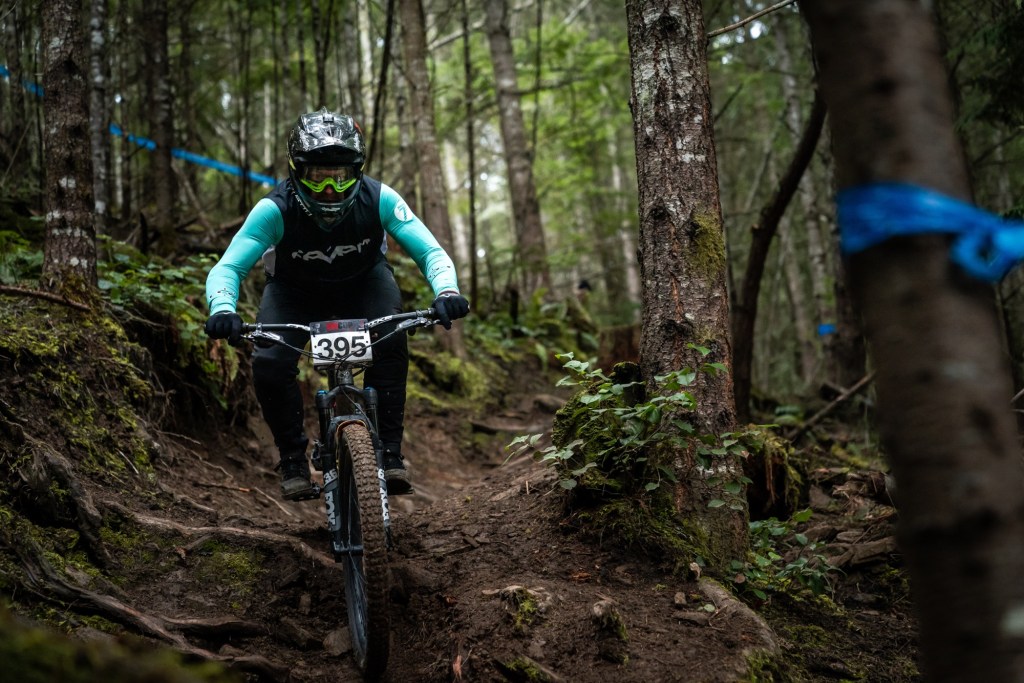
Mountain biking and BMX are sports that thrive on speed, risk, and technical skill. Riders push themselves over jumps, through rhythm sections, and down rugged trails at high speeds, where even small errors can lead to heavy crashes. Among the most serious risks these athletes face are concussions and traumatic brain injuries (TBIs). These injuries are not limited to professional racers; they affect riders at every level, from youth competitors to weekend enthusiasts. Understanding the mechanisms, risks, and recovery needs of concussions is critical for the health and longevity of anyone involved in these sports.
A concussion is a type of mild traumatic brain injury caused by a blow, jolt, or sudden shaking of the head. In mountain biking and BMX, concussions commonly occur during falls, collisions with other riders, or impacts with the ground and obstacles. Even with a helmet, the brain can still shift within the skull, leading to functional disturbances. Symptoms may include dizziness, confusion, headaches, vision changes, and memory problems. These signs don’t always appear immediately, which makes recognition and management particularly challenging for riders and coaches.
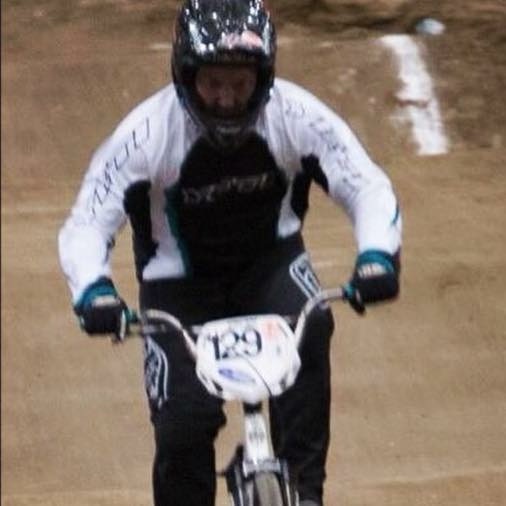
Repeated concussions pose a more severe danger. Riders who return to the track too soon after a head injury risk what is known as “second-impact syndrome,” where a subsequent concussion occurs before the brain has healed, sometimes resulting in catastrophic or even fatal consequences. Over time, multiple concussions can also contribute to long-term neurological issues, including chronic traumatic encephalopathy (CTE), memory loss, and mood disorders. For athletes in high-risk sports like BMX and mountain biking, awareness and prevention strategies are crucial.
Preventive measures have grown more sophisticated in recent years. Helmets designed specifically for BMX and downhill mountain biking now include technologies like MIPS (Multi-Directional Impact Protection System) to reduce rotational forces on the brain. Tracks and trail systems are increasingly designed with rider safety in mind, offering better landings, padding on obstacles, and improved maintenance to reduce hazards. Beyond equipment and environment, education plays a key role: teaching riders, parents, and coaches how to spot concussion symptoms and emphasizing the importance of medical clearance before returning to riding.
Recovery from a concussion requires patience and discipline. While the culture of action sports often celebrates toughness and quick returns, athletes must resist the urge to push through symptoms. Proper recovery involves rest from both physical and cognitive strain, followed by a gradual return to activity under medical guidance. Physical therapists and sports physicians may recommend balance training, visual exercises, and staged cardiovascular workouts to ensure a safe recovery. By respecting the recovery process, riders protect not just their racing careers but their long-term brain health.
Ultimately, concussions and traumatic brain injuries underscore the tension at the heart of mountain biking and BMX: the thrill of risk versus the responsibility of safety. These sports will always involve an element of danger, but awareness, prevention, and respect for the healing process can significantly reduce the long-term impact of head injuries. By cultivating a culture that values both performance and protection, riders can continue to pursue the adrenaline and freedom of their sport while safeguarding their most vital asset—their minds.
🧠 Concussion Quick Guide for Riders
🚨 Signs & Symptoms
• Headache or “pressure” in the head
• Dizziness or balance problems
• Blurred or double vision
• Confusion or trouble concentrating
• Memory loss (forgetting the crash)
• Nausea or vomiting
• Mood changes (irritability, sadness)
⸻
🛡️ Prevention Tips
• Always wear a helmet designed for BMX/MTB (MIPS or similar tech recommended).
• Inspect your helmet after every crash; replace if damaged.
• Warm up before riding and practice skills progressively.
• Ride within your ability on jumps and technical terrain.
• Encourage a “safety-first” culture—don’t glorify riding through injuries.
⸻
⏱️ Recovery Essentials
• Rest physically and mentally (limit screens, focus, and intense activity).
• Avoid riding until cleared by a medical professional.
• Follow a step-by-step return-to-ride plan: light activity → moderate → skills → full training → racing.
• Report and log all concussions—cumulative history matters.
⸻
📊 The Big Picture
• Most concussions resolve in 7–14 days with proper care.
• Second-impact syndrome is rare but deadly—never return too soon.
• Long-term risks of repeated concussions include memory loss, mood disorders, and CTE.

🧠 Concussion & Brain Injury Research
• CDC – Concussion Basics (Centers for Disease Control and Prevention):
https://www.cdc.gov/traumaticbraininjury/concussion/index.html
• McCrory P. et al. (2017). Consensus statement on concussion in sport—the 5th international conference on concussion in sport. British Journal of Sports Medicine.
https://bjsm.bmj.com/content/51/11/838
• Giza, C. C., & Hovda, D. A. (2014). The new neurometabolic cascade of concussion. Neurosurgery.
https://pubmed.ncbi.nlm.nih.gov/24673278/
• Harmon, K. G., et al. (2019). American Medical Society for Sports Medicine position statement on concussion in sport. British Journal of Sports Medicine.
https://bjsm.bmj.com/content/53/4/213
⸻
🚴 Action Sports Injury Studies (MTB/BMX)
• Greve, M. W., et al. (2009). Epidemiology of traumatic brain injury in extreme sports. Journal of Neurosurgery.
https://pubmed.ncbi.nlm.nih.gov/19485719/
• Kronisch, R. L. (2013). Mountain biking injuries: an update. Sports Medicine.
https://pubmed.ncbi.nlm.nih.gov/24047064/
• Cusimano, M. D., & Kwok, J. (2010). The effectiveness of helmet wear in skiers and snowboarders: a systematic review. British Journal of Sports Medicine (relevant to MTB/BMX helmet discussions).
https://pubmed.ncbi.nlm.nih.gov/20086065/
More discussions about concussions.
Disclaimer: This advice is for educational and general informational purposes only and should not be used as a substitute for the medical advice of your doctor or any other healthcare / fitness professional.
Categories: Lifestyle
 FOR ALL RIDERS | Building Trails & Community | New Documentary Coming Soon
  Pumptrack Locator: Pacific Northwest Pumptracks
  BMX Oregon: Upcoming BMX Races
  PNW XC MTB Series 2026
  Cascadia MTB
Leave a comment