
Technique Over Time // Why Skills Classes Matter No Matter Your Experience

Taking a mountain bike skills class is one of the most valuable investments you can make in your riding—whether you’re brand new to the sport or you’ve been carving singletrack for decades. Mountain biking is an incredibly dynamic activity that blends balance, power, agility, and mental focus in constantly changing terrain. Even experienced riders can develop habits that limit their potential or increase their risk of injury. Skills classes provide a structured environment to refine techniques, build confidence, and unlock new levels of flow and control on the trail.
For beginners, a skills class lays the foundation for a lifetime of enjoyable and safe riding. New riders often learn through trial and error, which can lead to frustration or fear when faced with obstacles like roots, drops, or steep descents. A class led by a certified instructor breaks these elements down step by step, teaching essential body positioning, braking techniques, and cornering skills in a controlled setting. This early investment builds good habits right from the start, reducing the likelihood of developing bad form that can be hard to unlearn later.

For intermediate riders, classes are a chance to refine skills that may have plateaued. It’s easy to reach a comfort zone where you can ride most trails but avoid certain features or advanced maneuvers. A well-designed skills clinic identifies those gaps and offers targeted drills to help you level up—whether that’s learning to bunny hop cleanly, mastering switchback corners, or improving line choice through technical rock gardens. These refinements not only improve your performance but also increase your overall enjoyment on a broader range of terrain.
Even seasoned riders who have years of experience can benefit enormously from formal instruction. Over time, many experienced riders develop subtle inefficiencies in their technique—maybe their braking is a bit choppy, their cornering relies too much on upper-body steering, or they compensate for poor balance with brute force. A skills coach can spot these micro-errors and offer precise feedback that friends often miss. This kind of tuning can make a veteran rider smoother, faster, and more confident, especially on unfamiliar or advanced trails.
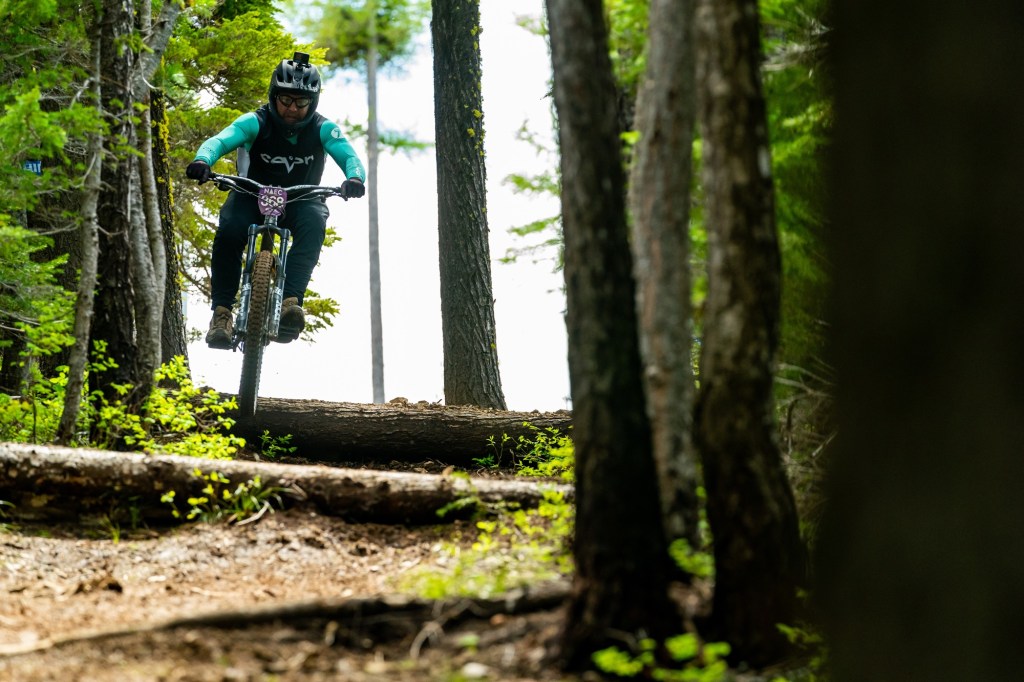
Another major benefit of skills classes is safety. Crashes are part of mountain biking, but many accidents stem from improper technique—grabbing too much front brake, leaning the wrong way in corners, or riding too stiffly on descents. Classes emphasize progressive learning and give riders a safe space to practice challenging maneuvers without the high consequences of real-world terrain. By learning correct body positioning, braking modulation, and trail scanning techniques, riders drastically reduce their risk of injury and ride more in control.
Skills classes also teach riders to ride smarter, not just harder. Many riders assume fitness alone will carry them through more challenging terrain, but efficient technique often has a bigger impact on speed and control than raw strength. For example, proper cornering technique can make you significantly faster without extra pedaling effort, and learning to pump terrain can turn mellow trails into exhilarating rides. This technical literacy enhances your ability to adapt to different trail systems and conditions, from slick roots in the Pacific Northwest to dry, loose switchbacks in the desert.

Beyond the technical aspects, skills classes build community. Learning in a group environment allows riders to connect with others who share their passion, exchange tips, and celebrate each other’s progress. Group settings can also normalize the process of making mistakes, which reduces self-consciousness and encourages experimentation. Riders often leave classes not only with new skills but with new friends and riding partners who motivate them to keep progressing.
Finally, skills training fosters a mindset of continuous growth. Mountain biking, like any skill-based sport, rewards curiosity and humility. Whether you’re learning to roll your first log or perfecting high-speed cornering, there is always something to refine. Taking a skills class signals a commitment to that growth, and it can reignite your enthusiasm for the sport by showing you new possibilities. Regardless of your experience level, the trail always has more to teach—and a good skills instructor helps you listen.
Coaching in the Pacific Northwest.
• https://www.bravendeavors.com
• https://www.mtbcoachrobbie.com
• https://fluidride.com/aboutfluidride
Categories: mountain bike, Opinion
Related Articles
-
 Opinion: The Art of Recovery // Healing Right After a Mountain Bike Injury
-
 Opinion: The Balance of Responsibility in Modern Bike Parks
-
 Opinion: When Innovation Overshadows Soul // The Cost of Constant Change in Mountain Biking
-
 Opinion: Training Stillness // The Hidden Skill in Mountain Biking and BMX
 Cascadia MTB
Leave a comment