
Riding the Edge of Mind: Microdosing Psilocybin and Performance

Microdosing psilocybin has started creeping into trailhead chatter, and group rides. It’s no longer just some fringe experiment—it’s becoming part of the performance conversation. I’m not here to hype it or shut it down; I just wanted to see what’s really going on and why some riders are swearing by it.
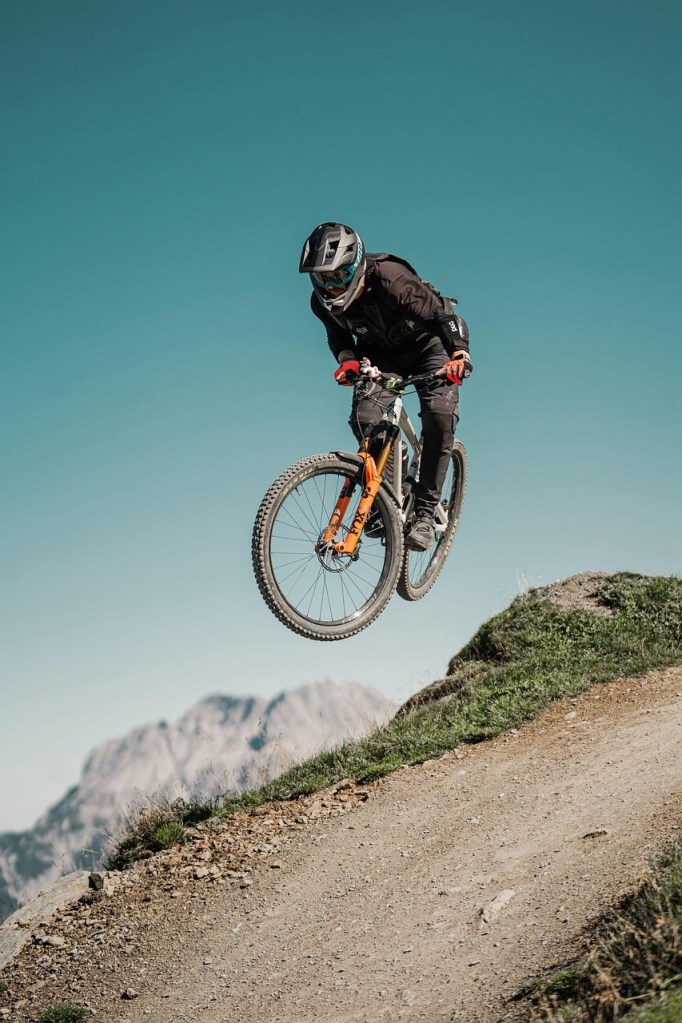
In recent years, microdosing psilocybin—the practice of taking very small, sub-perceptual amounts of the psychedelic compound found in certain mushrooms—has attracted growing attention from athletes, artists, and professionals alike. Among mountain bikers, some have begun exploring how subtle shifts in perception, focus, and mood may enhance their riding experience. While formal scientific research is still in its early stages, anecdotal reports and preliminary studies suggest that microdosing may have cognitive and emotional effects that could influence performance on the trail.
One of the most commonly reported effects of microdosing is an increase in mental clarity and focus. For mountain bikers, where split-second decision-making and precise line choices are critical, heightened focus can make a tangible difference. Technical sections often require rapid scanning of terrain, body positioning adjustments, and quick reactions. Some riders claim that microdosing allows them to “drop into the moment” more fully, quieting mental chatter and enabling a cleaner, more intuitive response to changing trail conditions.
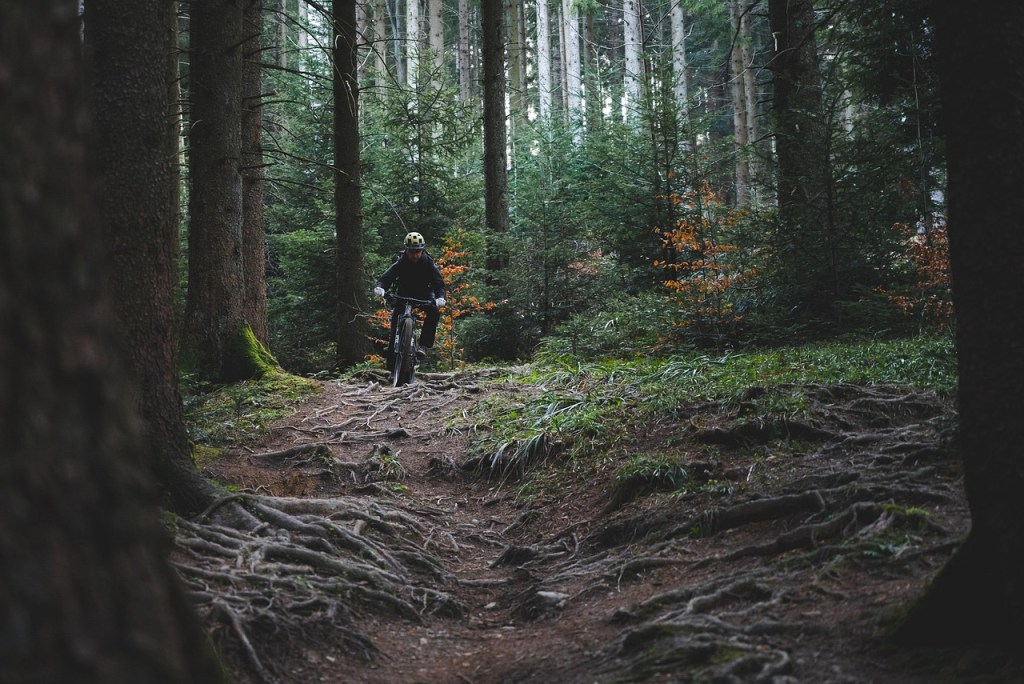
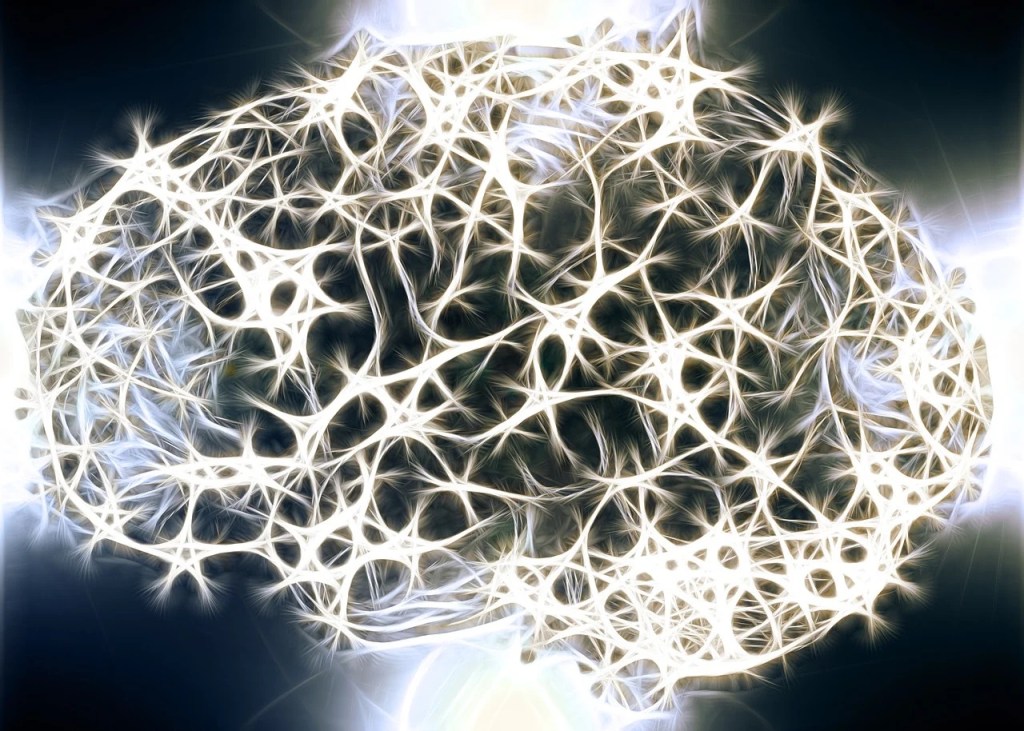
Flow state is another area where psilocybin microdosing is often discussed. Flow, sometimes described as being “in the zone,” is a mental state where challenge and skill are perfectly balanced, and action seems to unfold effortlessly. Mountain biking naturally lends itself to flow experiences due to its rhythmic movements, dynamic challenges, and connection to natural landscapes. Early research suggests that psychedelics may temporarily reduce activity in the brain’s default mode network—a region linked to self-referential thought—which could lower internal resistance and help riders enter flow more easily.
Emotional regulation may also play a role. Mountain biking, particularly on challenging terrain, can involve moments of fear, hesitation, or frustration. Some individuals who microdose report reduced anxiety and a greater sense of calm and openness. This might translate into more composed handling in high-pressure situations, such as steep descents or technical rock gardens, where panic or overthinking can lead to mistakes. A calmer mindset could also support better endurance on long rides, where mental fatigue often precedes physical exhaustion.
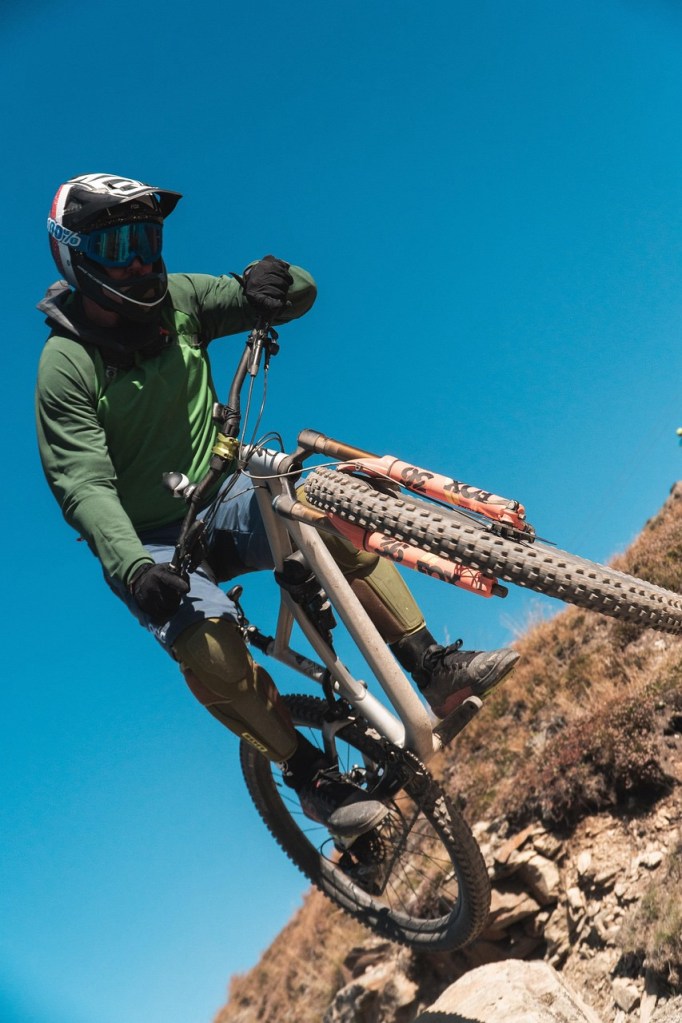
Body awareness is another element worth considering. Many microdosers describe a subtle increase in somatic sensitivity—the ability to feel small shifts in body position and movement. On the bike, this could theoretically support better balance, more fluid cornering, and smoother absorption of terrain features. Enhanced proprioception might help riders “read” the trail through their bodies, adjusting instinctively rather than through over-analysis.
Creativity and perspective shifts are sometimes cited benefits as well. Mountain bikers often approach trails in habitual ways, favoring certain lines or techniques. A subtle change in perception may encourage riders to experiment with new lines, play more with terrain, or ride with a renewed sense of curiosity. This can make familiar trails feel fresh again and can lead to technical growth as riders explore new strategies for navigating obstacles.
However, it’s important to emphasize that rigorous scientific evidence on microdosing’s performance effects is still limited. Much of what is currently discussed is based on self-reported experiences, which can be influenced by expectation and placebo effects. Psilocybin remains a controlled substance in many jurisdictions, and legal consequences, variability in mushroom potency, and potential psychological risks must be taken seriously. What works for one individual may not work—or may even be destabilizing—for another.
Placebo plays a surprisingly powerful role in human performance, especially in activities that blend physical output with mental focus—like mountain biking. When a rider believes they’ve taken something that sharpens their senses, enhances flow, or improves endurance, the brain can respond in ways that mirror the expected effect. Subtle shifts in attention, confidence, and self-perception can make technical sections feel smoother and climbs feel less punishing, even when no active compound is at play. This isn’t “faking it”; it’s the mind harnessing its own neurochemical toolkit to meet the expectations it’s been given. The placebo effect has been documented to influence pain perception, reaction time, mood, and even endurance performance in athletes, sometimes producing results comparable to low-level stimulants or supplements.

Microdosing fits this dynamic perfectly. Because the doses are sub-perceptual, riders often don’t experience overt hallucinogenic effects—they experience what they believe the microdose should deliver. That expectation alone can lower anxiety, increase perceived focus, and boost flow. In blinded studies, participants frequently report similar benefits whether they received psilocybin or a placebo. This suggests that much of the microdosing experience may be less about neurochemistry and more about belief shaping perception and performance. For riders, this raises an interesting question: if the mind can produce these effects through expectation alone, the real “active ingredient” might not be the substance at all—it might be the story we tell ourselves before we drop in.
Ultimately, the intersection of microdosing and mountain biking sits at the crossroads of psychology, physiology, and culture. As research expands and laws evolve, more data may clarify whether these reported benefits are measurable and reliable. For now, the idea highlights a broader truth: peak performance in mountain biking is not just physical but deeply mental, involving focus, emotional regulation, and connection to the environment. Any practice that influences these domains invites both curiosity and caution in equal measure.
Key Controlled & Observational Studies
Microdosing with psilocybin mushrooms: a double-blind placebo-controlled study
Nature / Translational Psychiatry (2022)
Full text & PDF:
👉 https://pmc.ncbi.nlm.nih.gov/articles/PMC9346139/2. Microevidence for microdosing with psilocybin mushrooms (preprint)
bioRxiv
Direct PDF download:
👉 https://www.biorxiv.org/content/10.1101/2021.11.30.470657v1.full.pdf3. Psilocybin microdosers demonstrate greater observed improvements in mood and mental health at one month relative to non-microdosing controls
Scientific Reports (Nature)
Full text (HTML & PDF available):
👉 https://www.nature.com/articles/s41598-022-14512-34. Psilocybin microdosing does not affect emotion-related processing or symptoms
Neuropsychopharmacology Reports (2022)
Full text & PDF:
👉 https://pmc.ncbi.nlm.nih.gov/articles/PMC8801668/
Systematic Reviews & Critical Analyses5. Is microdosing a placebo? A rapid review of low-dose LSD and psilocybin
Frontiers in Psychiatry / PMC (2024)
Full text & PDF:
👉 https://pmc.ncbi.nlm.nih.gov/articles/PMC11311906/6. Keeping the promise: a critique of the current state of microdosing research
Frontiers in Psychiatry
Full text:
👉 https://www.frontiersin.org/journals/psychiatry/articles/10.3389/fpsyt.2024.1217102/full7. Neuroplasticity and Psychedelics: A comprehensive examination (preprint)
arXiv (2024)
Full text & PDF:
👉 https://arxiv.org/abs/2411.19840
Placebo Effect / Self-Blinding Citizen Science
Traces of psychedelics make you feel good — so does placebo, finds unusual self-blinding study
Science Magazine article on self-blinding citizen trials
👉 https://www.science.org/content/article/traces-psychedelics-make-you-feel-good-so-does-placebo-finds-unusual-self-blinding
Disclaimer
The information presented in this article is for educational and informational purposes only. It is not medical advice and should not be interpreted as encouragement to use, possess, or distribute illegal substances. Psilocybin remains a controlled substance in many jurisdictions, and its possession or use may carry legal consequences. The research on microdosing is still preliminary, with many findings based on self-reports and limited clinical data. Individuals considering any form of supplementation or psychoactive substance use should consult with a qualified medical professional and familiarize themselves with local laws and regulations. Neither the author nor the publisher assumes responsibility for any actions taken based on the information contained herein.
Categories: mountain bike, Opinion
Related Articles
-
 Opinion: The Art of Recovery // Healing Right After a Mountain Bike Injury
-
 Opinion: The Balance of Responsibility in Modern Bike Parks
-
 Opinion: When Innovation Overshadows Soul // The Cost of Constant Change in Mountain Biking
-
 Opinion: Training Stillness // The Hidden Skill in Mountain Biking and BMX
 Cascadia MTB
Leave a comment