
The Interbeing of Mountain Biking
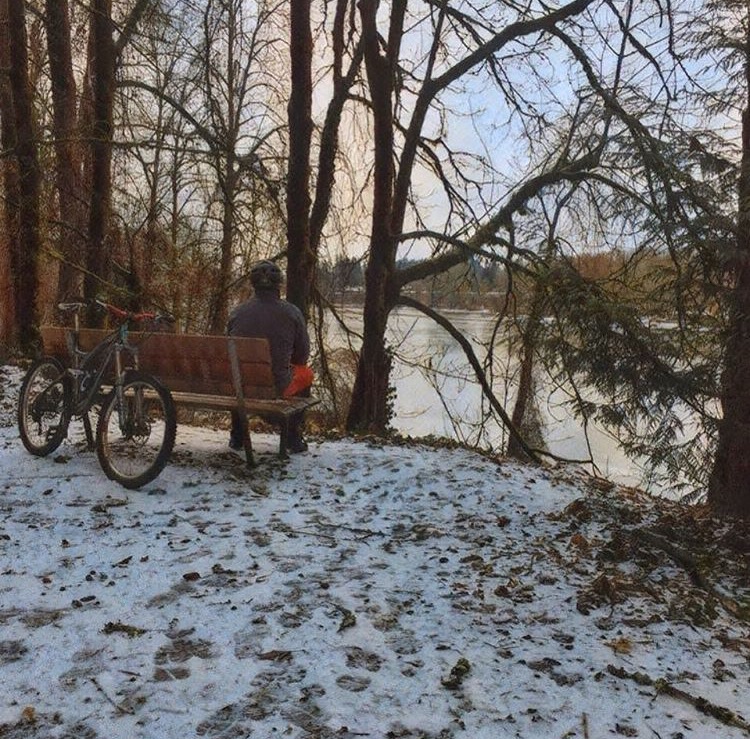
When I was a child, riding my bicycle was an escape from my parents’ divorce and from moving to another part of the country. It was my way of taking control of a small part of my life.
During my teens and into my forties, cycling became my way of chasing adrenaline to escape the depression that followed me relentlessly.
But one day, it all came to an end. Cycling was no longer the escape—or even the simple fun—that it used to be.
It had become a chore, something I did out of habit simply because it was what I had always done. It was still a part of me, but the joy and escape was slowly being drained away.
This was when I made a conscious effort to let it shift into something new. I would finally ride not to escape, but to be part of something bigger.
After years of therapy and practicing the philosophy of interbeing, I began to understand that the ride was never about escape—it was about connection. It was always about connection.
Interbeing is the understanding that nothing exists independently—that everything is connected and mutually dependent. It means recognizing that our thoughts, actions, and very existence are interwoven with all living beings and the natural world around us.
It was here that I fell in love with cycling again. It had purpose once more. I was no longer cycling away from my problems.
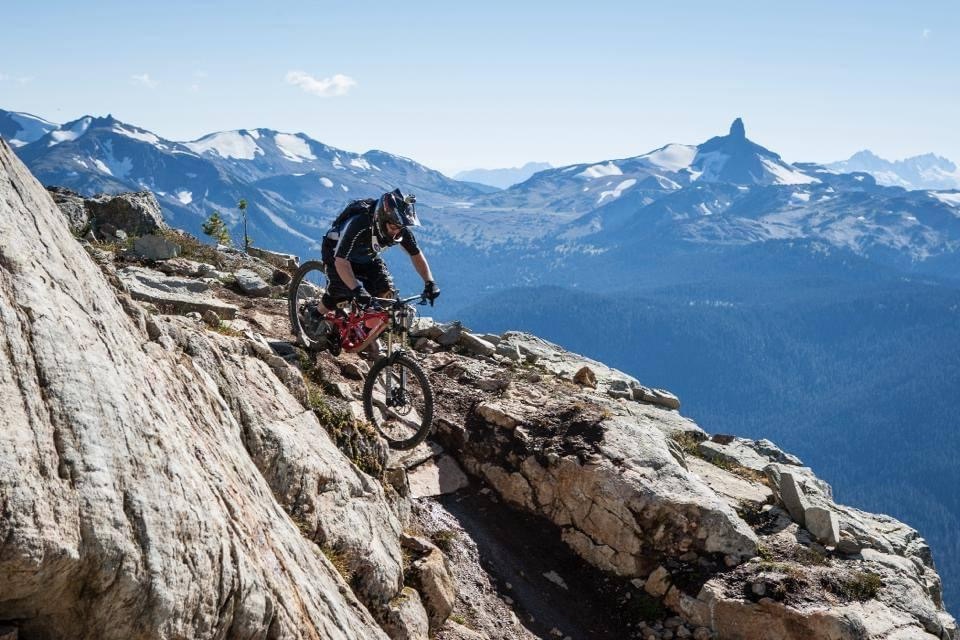
Mountain biking is more than a sport—it is a living expression of interbeing, the understanding that nothing exists in isolation. Each ride reveals the profound web of relationships that sustain it: between rider and bike, body and breath, dirt and sky, community and solitude. To truly ride is to participate in this interconnected dance, to feel how every motion, sound, and sensation arises in harmony with all others. The trail is not conquered; it is conversed with. The mountain is not an obstacle; it is an ally in revealing the truth of connection.
When a rider flows through the forest, they are not separate from it. The bike becomes an extension of the body, the body becomes an extension of the terrain, and the terrain becomes a reflection of the mind. The roots, rocks, and rhythm of the land are not foreign—they are invitations to awareness. Every movement depends upon something else: traction depends on moisture, speed depends on gravity, balance depends on stillness within motion. To experience this is to awaken to the realization that nothing rides alone.
The interbeing of mountain biking extends to the unseen forces that make the experience possible. Trails are carved and maintained by hands often unknown to the riders who use them. The aluminum of the bike’s frame was once ore in the earth, the tires once sap from trees, the air in the rider’s lungs once breathed by the forest. To ride mindfully is to honor these invisible connections—to feel gratitude for the countless lives, elements, and actions that converge in a single moment of movement.
Riding also mirrors the inner landscape. The trail outside reflects the terrain within: the rocks are our fears, the climbs our struggles, the descents our moments of release. When we ride with awareness, we see that overcoming obstacles on the trail is inseparable from overcoming them in ourselves. The mind that tightens on a technical section is the same mind that tightens in life. The release of the brakes through a tech section is the release of control. Through interbeing, the bike becomes a teacher, the mountain a mirror, and the rider both student and reflection.
Even suffering has its place in this web. Falls, fatigue, and failure are not interruptions but essential parts of the whole. They remind us that pain, too, is relational—that the same gravity that causes a crash is the one that gives us speed and flight. The Bodhisattva of mountain biking might say that to suffer on the trail is to touch the shared vulnerability of all beings—to know that endurance, humility, and compassion arise from the same soil as joy.
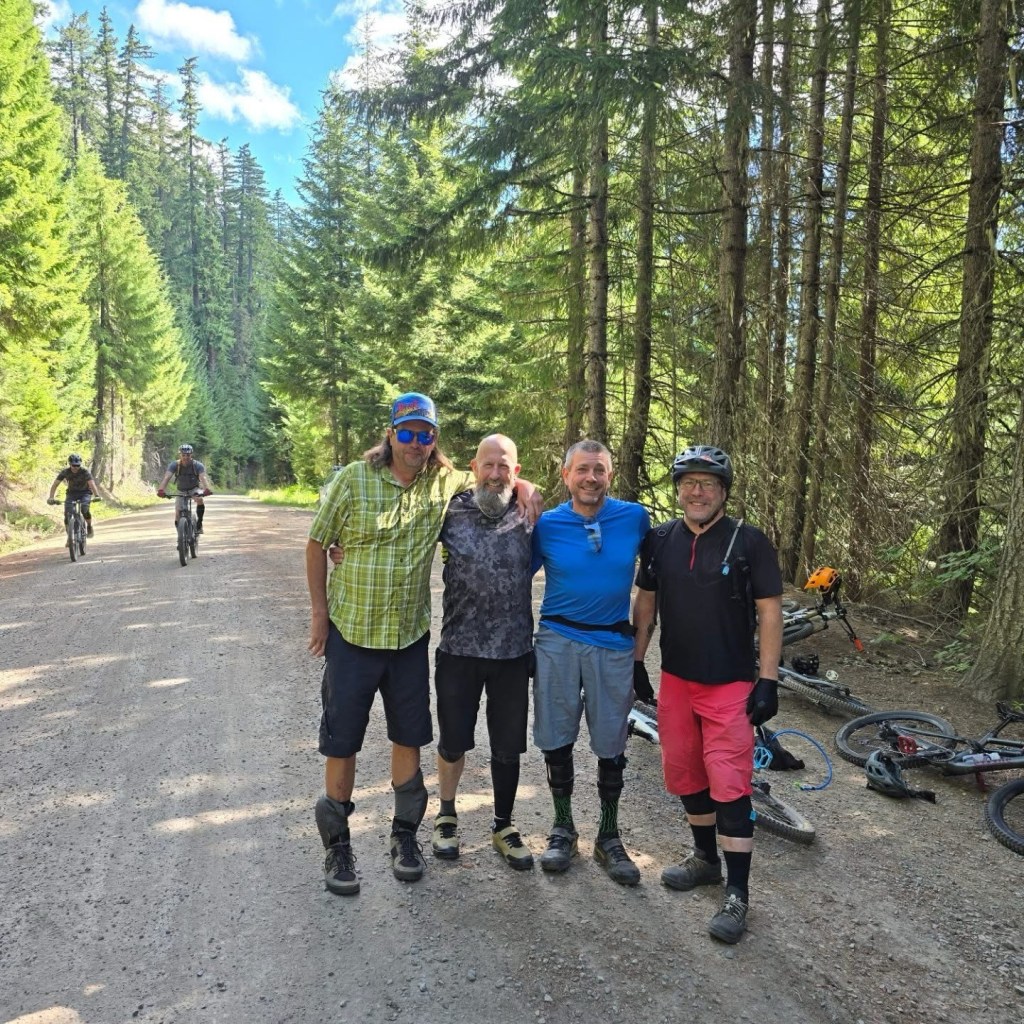
Community brings this philosophy into form. The trail network is a living ecosystem, not only of trees and animals but of riders, builders, and dreamers. Each person who digs, repairs, or simply rides adds to the collective rhythm. Group rides become ceremonies of belonging, where the laughter, encouragement, and shared silence between climbs weave a fabric of connection that transcends skill or status. To inter-be is to remember that the joy of one rider uplifts the joy of all.
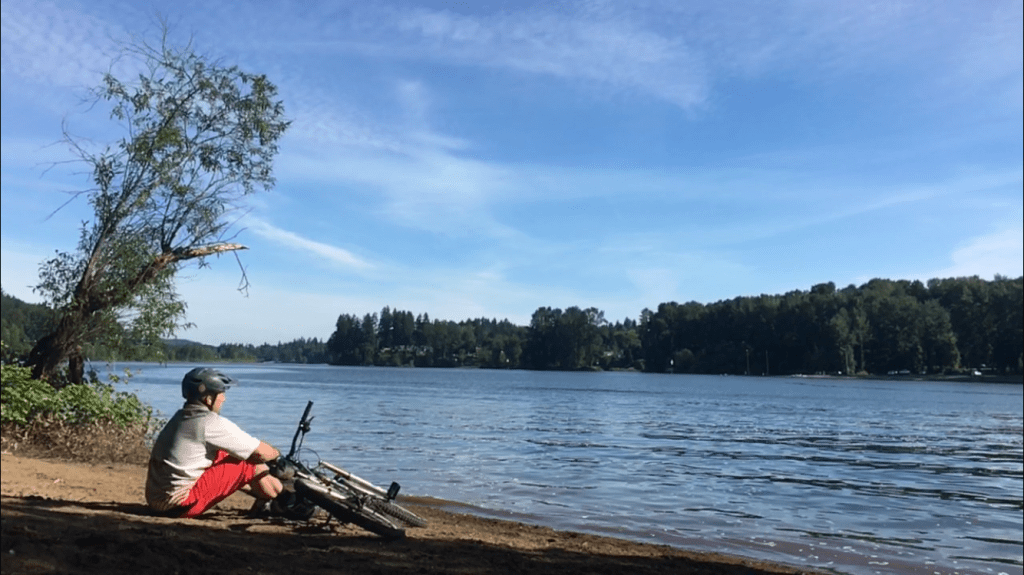
At the heart of this interbeing lies stewardship. The mindful rider recognizes that every tire track leaves an imprint—physical, ecological, and spiritual. To ride gently, to respect closures, to rebuild eroded sections—these are acts of reverence. Through them, mountain biking becomes not a taking from nature but a conversation with it, a reciprocity that honors both giver and receiver. In this way, the sport transforms into a practice of gratitude and care, an offering to the land that sustains it.
Ultimately, the interbeing of mountain biking teaches that freedom is not found in isolation but in relationship. The joy of the ride is inseparable from the mountain, the weather, the breath, the community, and the silent pulse of life itself. To pedal through the forest is to move through a vast and beautiful network of being—to realize that every motion, every heartbeat, every turn of the wheel participates in something greater. And in that realization, the rider disappears, leaving only the flow: mountain, mind, and motion as one.

Categories: Lifestyle, mountain bike, Opinion
 Opinion: The Art of Recovery // Healing Right After a Mountain Bike Injury
  Opinion: Losing Flow // How Data Culture Erodes the Joy of the Ride
  Cascadia MTB
Leave a comment