
Training Stillness // The Hidden Skill in Mountain Biking and BMX

In mountain biking and BMX, athletes dedicate countless hours to perfecting their technique, building endurance, and strengthening their bodies. They learn how to corner faster, jump higher, and maintain precision at speed. But what often separates elite riders from the rest isn’t just their physical conditioning—it’s their ability to remain mentally still under pressure. When a race heats up, when a drop looks bigger than expected, or when fatigue sets in, the rider’s body can only do what the mind allows. Training stillness—learning to stay calm, clear, and grounded—is the secret weapon that transforms a good rider into a great one.
Mental stillness is the art of remaining composed amid chaos. In downhill or BMX racing, this could mean staying relaxed as you enter a technical rock garden or trusting your instincts when another rider elbows you mid-turn. The mind wants to overthink, to anticipate every possible outcome—but overthinking often leads to hesitation, and hesitation on a bike leads to mistakes. A still mind, on the other hand, doesn’t freeze. It acts with confidence, responding fluidly to the trail or track. Just like suspension smooths out the bumps under your tires, mental stillness smooths out the bumps in your thoughts.
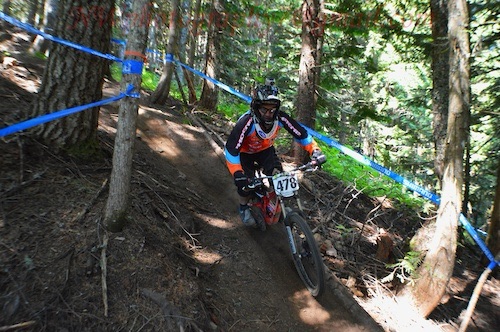
Pressure in competition can distort focus. Riders often perform flawlessly in practice, only to tighten up on race day. That’s because pressure amplifies internal noise—thoughts about results, expectations, or what others might think. Training mental stillness helps detach from those distractions. Instead of chasing outcomes, riders can anchor themselves to the present moment: the rhythm of pedaling, the feel of traction, the flow of each movement. The mind learns to stop predicting and start experiencing, allowing performance to unfold naturally.
In mountain biking, stillness doesn’t mean passivity—it means awareness. It’s about reading the terrain intuitively and adjusting in real time, not fighting it. For BMX racers, this awareness translates to better gate starts, smoother line choices, and the ability to recover mentally after a rough moto. Riders who cultivate stillness can reset quickly after mistakes instead of letting frustration cascade into more errors. When your mind stays steady, so does your performance.
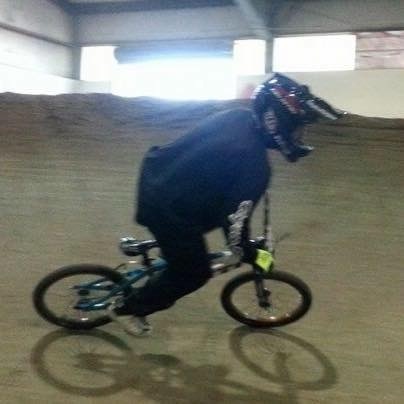
Training mental stillness also strengthens emotional regulation. Crashes, mechanicals, and near-misses are inevitable in these sports, but a rider who remains emotionally balanced can respond instead of react. Instead of letting anger or fear control them, they use composure as a tool. This emotional steadiness keeps the nervous system in check—breathing stays controlled, reactions stay sharp, and decision-making becomes clearer. The body follows the calm direction of the mind.
Focus is another product of stillness. In both BMX and mountain biking, milliseconds and millimeters matter. The ability to tune out external noise—crowds, competitors, or even self-doubt—creates an environment where every movement feels deliberate. When your mind isn’t scattered, your bike becomes an extension of your body. Corners flow, jumps align, and the ride becomes a kind of moving meditation. Many top athletes describe this as being “in the zone,” but it’s really just deep mental quiet.

To train stillness, riders can practice mindfulness both on and off the bike. Breathing exercises, visualization, and quiet solo rides help build this mental muscle. Learning to observe your thoughts without judgment and returning focus to the present moment strengthens resilience. During a ride, it might mean noticing tension in your shoulders and letting it go, or pausing your internal dialogue to simply feel the trail beneath your tires. The more consistently you practice, the more naturally stillness appears when it matters most.
Ultimately, mental stillness is the competitive edge that can’t be measured by watts or lap times. It’s what allows riders to stay fluid through uncertainty, to respond to chaos with calm precision. Muscles may power the bike, but the mind guides the ride. Whether dropping into a steep trail or sprinting toward a BMX finish line, those who train their stillness ride quieter—and win louder.
http://www.BreatheWithBree.com
Categories: BMX, mountain bike, Opinion
 Opinion: The Pumptrack Advantage // Building Skills for Mountain Biking and BMX
  Cascadia MTB
Leave a comment