
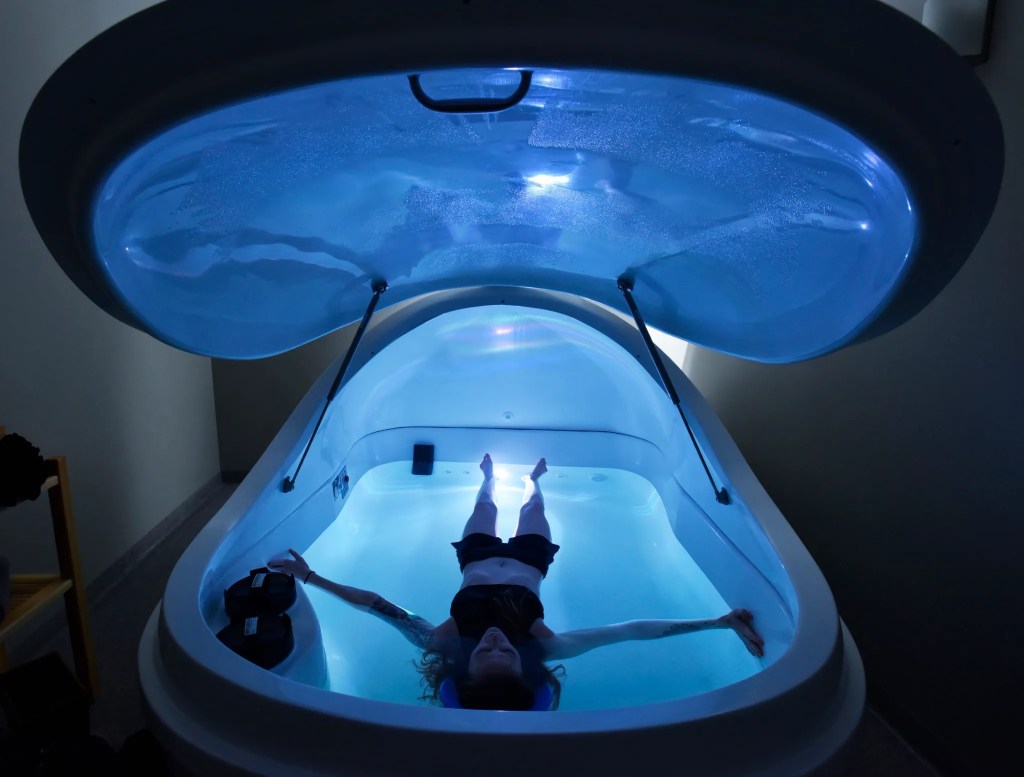
The Link Between Float Tanks and Performance
Mountain biking demands strength, focus, and resilience, both physically and mentally. Riders push through technical terrain, steep climbs, and long descents that tax the body and mind. While training, nutrition, and recovery routines are well-known, one overlooked tool is the float tank, also called sensory deprivation or flotation therapy. By combining the weightless experience of floating in Epsom salt water with the absence of external stimuli, float tanks can provide mountain bikers with a powerful form of recovery and mental conditioning.
Physical Recovery and Muscle Repair
One of the greatest challenges mountain bikers face is the accumulation of muscle fatigue and soreness. Long days on the bike create microtears in muscle fibers and stress joints. The buoyancy in a float tank removes pressure from the body, allowing muscles to fully relax in a way that is difficult to achieve on land. The Epsom salts are rich in magnesium, which can help reduce inflammation and promote muscle repair. For riders training multiple days a week, regular floating may speed recovery and keep them fresher for the next ride.
Injury Prevention and Pain Management
Mountain biking is inherently risky, with crashes, overuse injuries, and strain being part of the sport. Float tanks provide a low-impact recovery method that can relieve pressure on injured areas while promoting blood flow to support healing. Athletes with chronic tightness in their back, shoulders, or hips often report pain relief after floating. By incorporating float sessions, bikers may reduce reliance on pain medication or avoid overtraining injuries that come from not listening to their body.
Mental Clarity and Focus
Technical trails require intense concentration. A single lapse in focus can result in a crash or lost momentum. Float tanks remove distractions and give the brain time to reset, creating space for mental clarity. Many riders describe leaving the tank with sharper focus and a calmer mindset, which can translate directly to improved performance on the trail. By practicing mindfulness in the tank, mountain bikers can strengthen the mental discipline required to navigate challenging terrain under pressure.
Stress Reduction and Emotional Balance
Beyond physical recovery, mountain biking can carry a mental load. Riders juggle competition stress, the fear of injury, and the pressure to perform. Floating has been shown to reduce cortisol levels—the body’s primary stress hormone—and increase feelings of relaxation. For bikers, this can mean less pre-race anxiety, greater enjoyment on long rides, and a healthier overall relationship with the sport. The meditative environment of the float tank mirrors the flow state many seek on the bike, reinforcing emotional balance.
Integrating Float Tanks Into Training
For mountain bikers looking to maximize performance, float tanks can be integrated into a broader training and recovery plan. Sessions after long rides can aid muscle repair, while pre-race floats may improve focus and reduce jitters. Even recreational riders can benefit from floating by finding relief from soreness and mental fatigue. Ultimately, the float tank is not just a recovery tool—it’s a holistic practice that supports the mind, body, and spirit of anyone who loves the challenge of the trail.

Why Try Float Therapy?
Relaxing & Meditative
Enter a deep state of calm and mental clarity.
Boosts Creativity
Unlock fresh ideas and inspired thinking.
Reduces Anxiety
Quiet the mind and ease mental tension.
Muscle Recovery
Soothe soreness and support physical healing.
Helps with Depression
Encourage emotional balance and mood support.
Relieves Stress
Lower cortisol levels and feel renewed.
Increased Immune Health
Support your body’s natural defenses.
Improved Sleep
Fall asleep faster and wake up refreshed.
Disclaimer:
I am not a doctor, physical therapist, or medical professional. The information in this article is intended for general educational and motivational purposes only and should not be taken as medical advice. Always consult a qualified healthcare provider before beginning any recovery program, exercise routine, or treatment plan—especially following an injury. Every person and injury is unique, and what works for one rider may not be appropriate for another. Use your best judgment, listen to your body, and follow the recommendations of your medical team to ensure a safe and effective recovery.
 Cascadia MTB
Leave a comment