
The Importance of BIPOC Representation in Mountain Biking
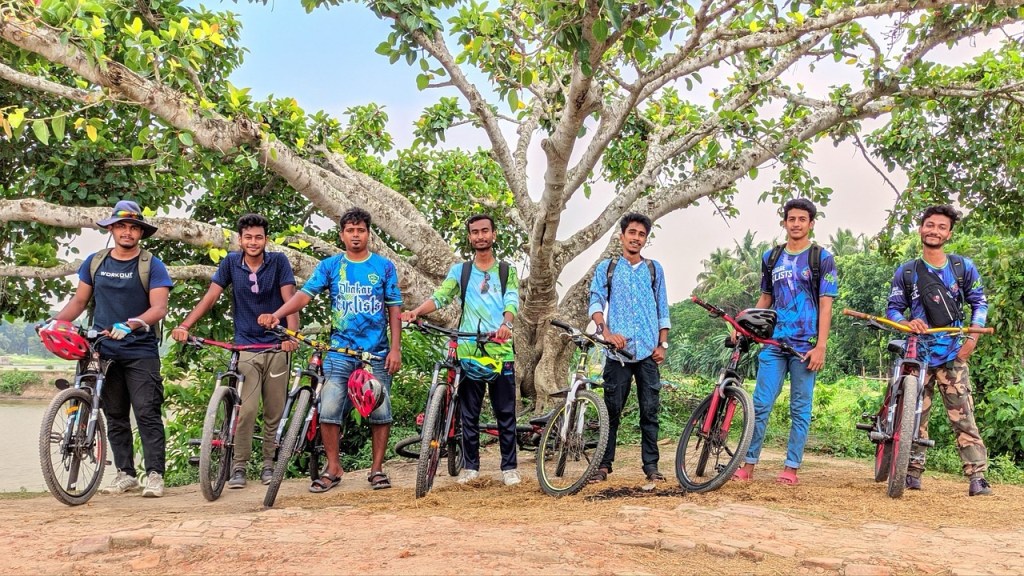
Mountain biking has long been celebrated for its spirit of freedom, exploration, and connection with nature. Yet, for much of its history, the sport has been overwhelmingly represented by white athletes and communities. Increasing BIPOC (Black, Indigenous, and People of Color) representation in mountain biking is not just about inclusion for its own sake—it’s about expanding the culture of the sport, enriching its stories, and ensuring that everyone has the opportunity to experience the transformative power of the trail.
Representation matters because visibility shapes possibility. When BIPOC riders are seen in magazines, videos, and professional teams, it signals to others that they, too, belong in this space. For young riders of color, seeing someone who looks like them navigating technical descents or leading a trail crew can be a powerful motivator. Representation breaks down psychological barriers that say, “This sport isn’t for you.” It reminds us that the mountains and trails are for everyone, not just for a few who have historically dominated access and media coverage.
Access, however, is about more than imagery. Systemic inequities—economic, geographic, and cultural—have often kept BIPOC communities on the margins of outdoor recreation. Quality bikes, transportation to trailheads, and safe, inclusive environments are not universally available. By increasing BIPOC representation, we begin to identify and address these disparities. Programs that intentionally bring bikes, mentorship, and trail-building opportunities into diverse neighborhoods are essential for bridging the gap between interest and participation.
Representation also deepens the storytelling within mountain biking. BIPOC riders bring unique cultural perspectives, histories, and relationships to the land. Indigenous riders, for example, often connect with trails not just as recreation but as ancestral pathways—threads linking generations through stewardship and respect for the natural world. Including these voices adds richness and depth to the collective narrative of the sport, transforming it from a narrow pursuit into a broader, more inclusive cultural expression.
Community representation also challenges stereotypes about who participates in outdoor spaces. Historically, outdoor culture has been marketed as a white, male, upper-middle-class pursuit. Increasing visibility of BIPOC riders helps shift that narrative and encourages a more authentic reflection of the world we live in. The presence of diverse athletes, advocates, and leaders shows that mountain biking is not defined by one image or background—it is defined by passion, resilience, and a shared love of movement through nature.
Beyond inspiration, representation drives advocacy. When BIPOC voices are part of trail organizations, leadership councils, and industry decision-making, priorities shift. Land access issues, environmental justice, and equitable resource distribution come to the forefront. These perspectives help ensure that the growth of mountain biking includes considerations for urban trails, community bike parks, and the cultural significance of land—issues that might otherwise go overlooked.
There’s also an economic and creative dimension to this. As the industry expands, greater diversity leads to innovation in design, marketing, and storytelling. When more people see themselves represented, the audience—and thus the market—grows. Brands and event organizers who authentically support inclusion aren’t just doing the right thing—they’re investing in the long-term health and sustainability of the sport.
Ultimately, increasing BIPOC representation in mountain biking isn’t about political correctness or token gestures. It’s about healing divisions, expanding belonging, and recognizing that the joy of riding a bike down a trail is a universal experience. When everyone can see themselves reflected in the sport, the community becomes stronger, more creative, and more compassionate—and the mountains become a space where all voices can ride freely.
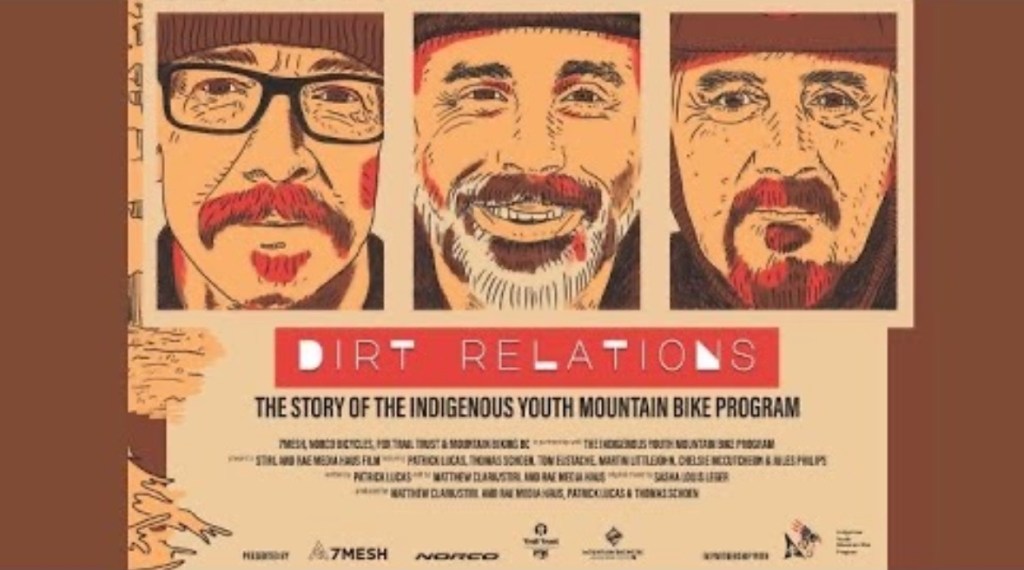
Dirt Relations // Connecting Indigenous Youth to the Land Through Mountain Biking
With the support of two new friends: Thomas Schoen, a trail builder, and Tom Eustache, an Indigenous leader and mountain biker, Patrick launched the Indigenous Youth Mountain Bike Program(http://iymbp.ca/). Scratching and carving lines through ancient rainforests, they trained hundreds of youth to build and ride gnarly mountain bike trails. Together, they learned what it means to be allies, to become dirt relations.
Patrick Lucas stumbled into the world of trail building when an Nlaka’pamux elder asked him to help his youth build a mountain bike trail. After hundreds of years of colonialism, Indigenous Peoples of British Columbia, Canada, were winning back their land rights and seeking to reconnect with their ancient territories.
This film was released through Freehub channels as part of our Freehub Pipeline program, which aims to elevate and share amazing stories from athletes and creators. Have a project you think would be a good fit for Pipeline? Learn more here: https://freehub.com/pi…
Subscribe to Freehub Magazine: http://bit.ly/FreehubMag
Categories: Lifestyle
 Opinion: The Link Between Float Tanks and Performance
  Opinion: The Art of Recovery // Healing Right After a Mountain Bike Injury
  When the World Was Made of BMX and Summer Light
  George Brannigan in BC // RNDM
  Cascadia MTB
Leave a comment