
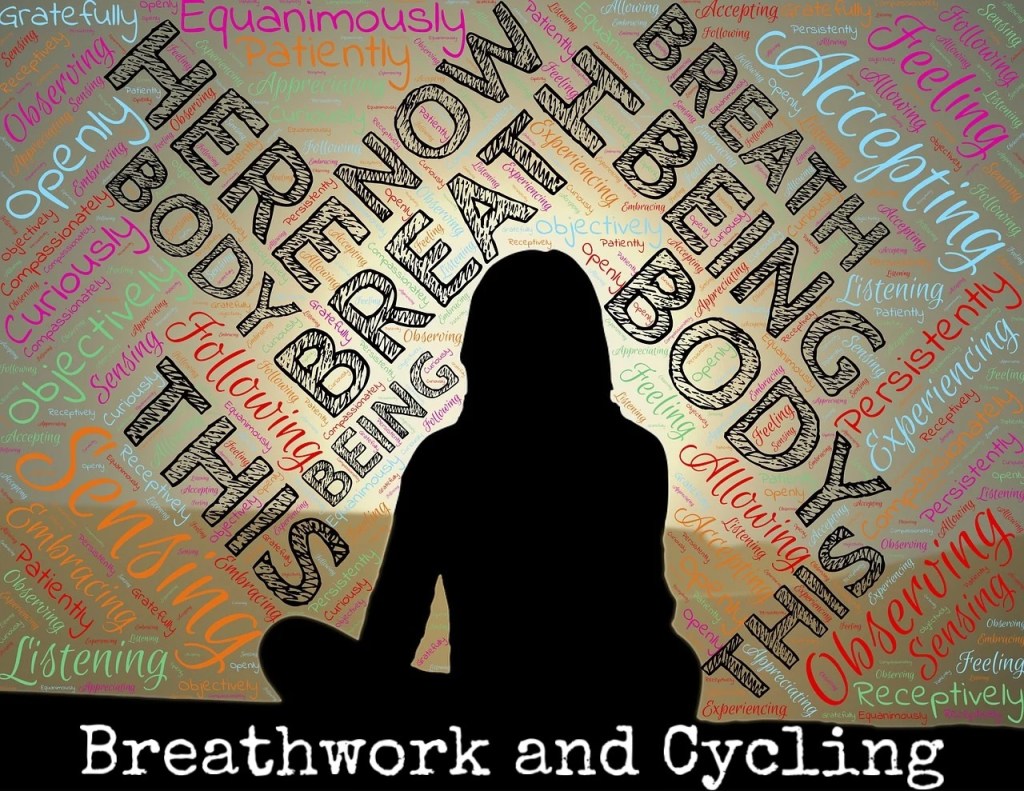
To some, the idea that intentional breathing could transform mental and physical health might seem overblown. After all, breathing is automatic—something we do without thinking. But the science increasingly reveals that how we breathe can have a profound effect on our body’s physiology. According to Nicholas Tiller, a researcher at the Lundquist Institute at Harbor-UCLA Medical Center, regular deep breathing routines can activate the parasympathetic nervous system, lowering blood pressure, slowing the heart rate, and reducing cortisol levels. These physiological shifts are not merely calming in the moment; they also help regulate long-term emotional states like anxiety and depression, providing a natural tool for mental wellness.
For those who practice breathwork seriously—whether in meditation, yoga, or athletic training—the benefits are not theoretical. These individuals often describe a clear connection between controlled breathing and resilience. Athletes in particular use breathwork to manage the mental and physical toll of competition. Whether it’s recovering faster after intense exertion or maintaining focus under pressure, breathwork becomes a vital performance enhancer. In some cases, it even helps extend careers by mitigating the stress injuries and burnout that derail professional performance.
But the benefits of breathwork aren’t limited to elite performers. Anyone navigating the stress of modern life—balancing work, family, technology, and expectations—can find greater calm and clarity through intentional breathing. A few minutes of slow, mindful breath each day can lead to better sleep, sharper focus, and a more balanced emotional state. It’s a remarkably accessible practice: no equipment, no gym membership—just a willingness to pause and reconnect with the breath. In a world constantly pulling us outward, breathwork brings us inward, reminding us that sometimes the most powerful tools are the ones we carry with us all along.
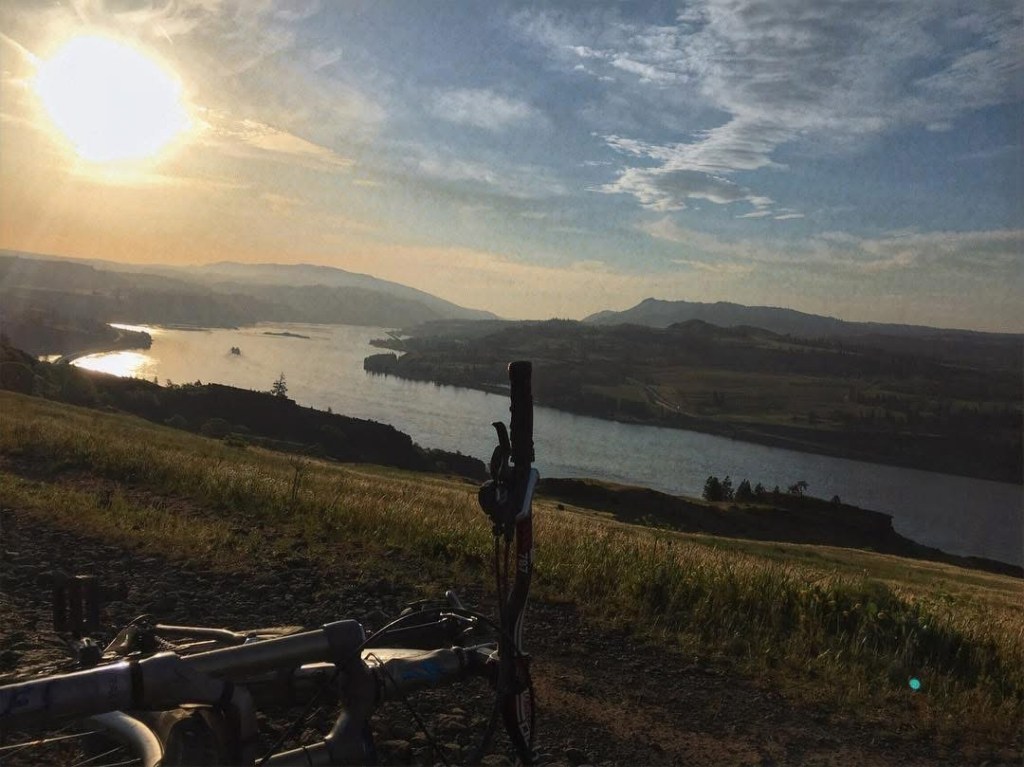
Breathwork, a powerful practice involving conscious, connected breathing, offers a range of physical, mental, and emotional benefits that can significantly enhance a competitive cyclist’s performance. Competitive cycling is a sport that demands extraordinary physical endurance, mental resilience, and emotional balance. In this interview, we will discuss how incorporating conscious connected breathwork into their routine can help cyclists unlock their potential in unique and transformative ways.
In this interview, we will be speaking with breathwork facilitator Breeana Phillips, and how it can benefit cyclists across various disciplines.
Cascadia MTB: What are the primary benefits of breathwork?
BwB: Some of the better known benefits of breathwork include, but are not limited to;
- Reduced stress, anxiety, grief, depression and anger
- Increased energy and immune function
- Release of trauma and fear stuck in the body
- Increased self-love, awareness, presence, happiness and joy
- Improved lung function
- Improved sleep
- Reduced pain
- Deepened meditative practice
- Enriched creativity
Cascadia MTB: How does your breathwork practice differ from the breathing techniques commonly used in cycling?
Cascadia MTB: Cycling places immense stress on the body, leading to muscle fatigue and inflammation. How does breathwork enhance recovery?
BwB: Regular breath work can help reduce the heart rate and calm the parasympathetic nervous system. Instead of spending energy holding stress, the body is allowed to use that energy for tending to basic functions. By improving the body’s ability to breathe through regularly working the lungs, fatigue from breathing is reduced, stamina is increased and lactate is lowered in the bloodstream.
Cascadia MTB: Is there a specific routine or duration that you recommend for competitive cyclists to integrate breathwork into their training schedule?
Cascadia MTB: Breathwork strengthens mental resilience, a critical factor in competitive cycling. It also teaches individuals to remain present and composed. How is this achieved during a breathwork session?
Cascadia MTB: Are there any specific breathing patterns or techniques used during breathwork that cyclists should focus on?
Cascadia MTB: I’ve read that breathwork also helps manage stress and anxiety, which are common challenges for competitive cyclists. Pre-race jitters, the pressure to perform, and the mental toll of intense competition can negatively impact performance. How does this breathing technique address these issues?
Cascadia MTB: I’ve heard that breathwork has the ability to unlock emotional blockages, such as suppressed emotions and past traumas. These blockages can unknowingly hinder performance. How does a breathwork practice help unlock them?
Cascadia MTB: Once these blockages are identified, what are the next steps to address them?
Cascadia MTB: For cyclists who may be new to breathwork, what advice would you give to help them get started?
Cascadia MTB: Athletes need to tune into their bodies, monitor their effort levels, and adapt their competitive strategies in real time. How can a consistent breathwork practice support this?
Cascadia MTB: How does breathwork enhance body awareness, and why is this important for competitive athletes?
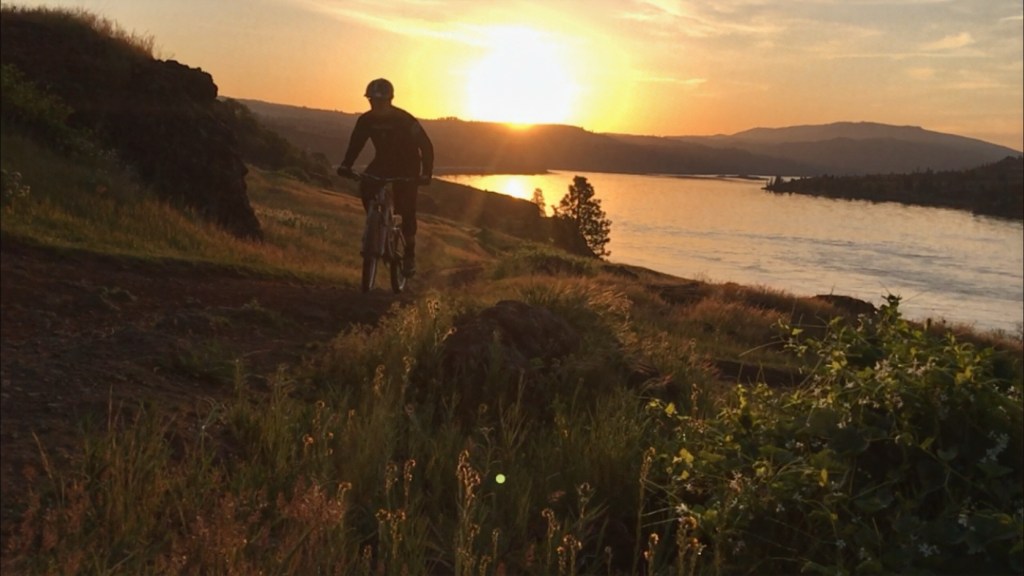
Cascadia MTB: Competitive sports often lead to burnout due to the relentless focus on performance. How does breathwork provide a space for self-care and reflection?
Cascadia MTB: Are there any risks or precautions that cyclists should be aware of before starting breathwork? What kinds of issues might a person have that would give them pause, or stop them from participating? What negative physical symptoms might arise from this practice?
Cascadia MTB: What kind of results or improvements can cyclists expect to see if they practice breathwork consistently?
Cascadia MTB: Where can athletes find you or other resources to begin their breathwork journey?
Website: www.BreatheWithBree.com
Categories: Lifestyle
 Opinion: The Importance of BIPOC Representation in Mountain Biking
  Opinion: The Link Between Float Tanks and Performance
  Opinion: The Art of Recovery // Healing Right After a Mountain Bike Injury
  When the World Was Made of BMX and Summer Light
  Cascadia MTB
Leave a comment