
The Healing Rhythm of the Ride
Mental health is often discussed in terms of therapy, medication, or mindfulness, but there is another path that many people overlook: physical exhaustion earned through meaningful effort. The human mind was not designed to sit still all day while thoughts circle endlessly. It was built to move, struggle, adapt, and recover. Activities that demand focus and effort can interrupt the constant noise of rumination and replace it with presence. For many people, mountain biking offers exactly that kind of reset.
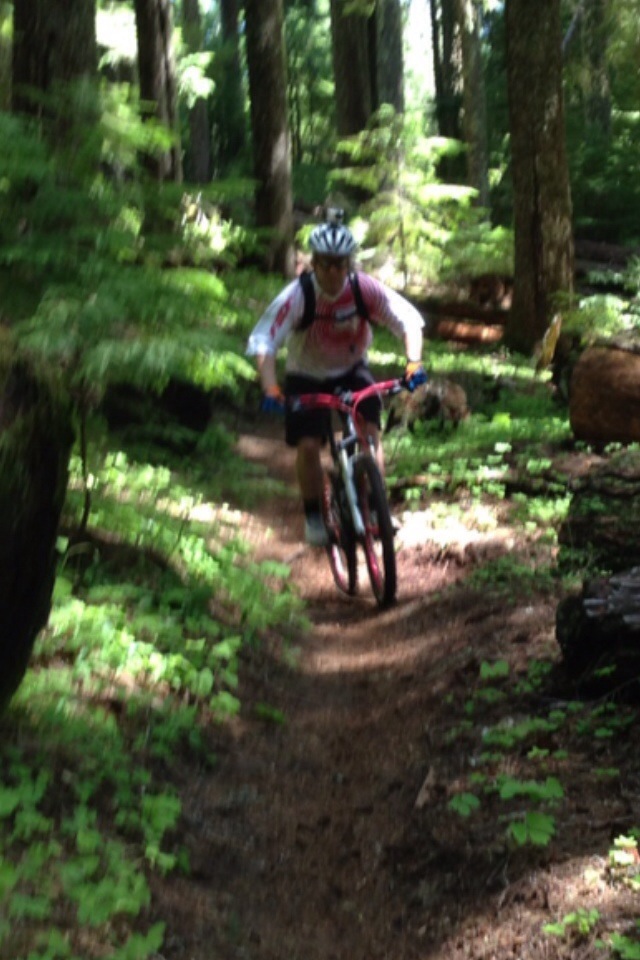
Riding a mountain bike requires complete attention. The terrain changes constantly—roots, rocks, corners, climbs, and descents demand quick decisions and steady balance. When navigating a trail, there is little room left in the mind for anxiety about the past or worries about the future. Instead, attention narrows to the immediate moment. The rider becomes absorbed in the rhythm of pedaling, braking, and reading the ground ahead.
This intense focus acts as a form of mental cleansing. Many people carry unresolved stress that accumulates throughout daily life. Work pressure, personal responsibilities, and constant digital stimulation can create a mental backlog. Physical exertion, especially in an outdoor environment, provides a release valve. Sweat, fatigue, and effort help burn away that buildup in a way that passive relaxation often cannot.
Mountain biking is particularly effective because it combines physical challenge with natural surroundings. Trails wind through forests, hillsides, and open landscapes that remind riders they are part of something larger than their daily concerns. The sensory experience—wind, dirt, sunlight filtering through trees—grounds the mind in the present. Nature has a quiet way of slowing internal chaos.
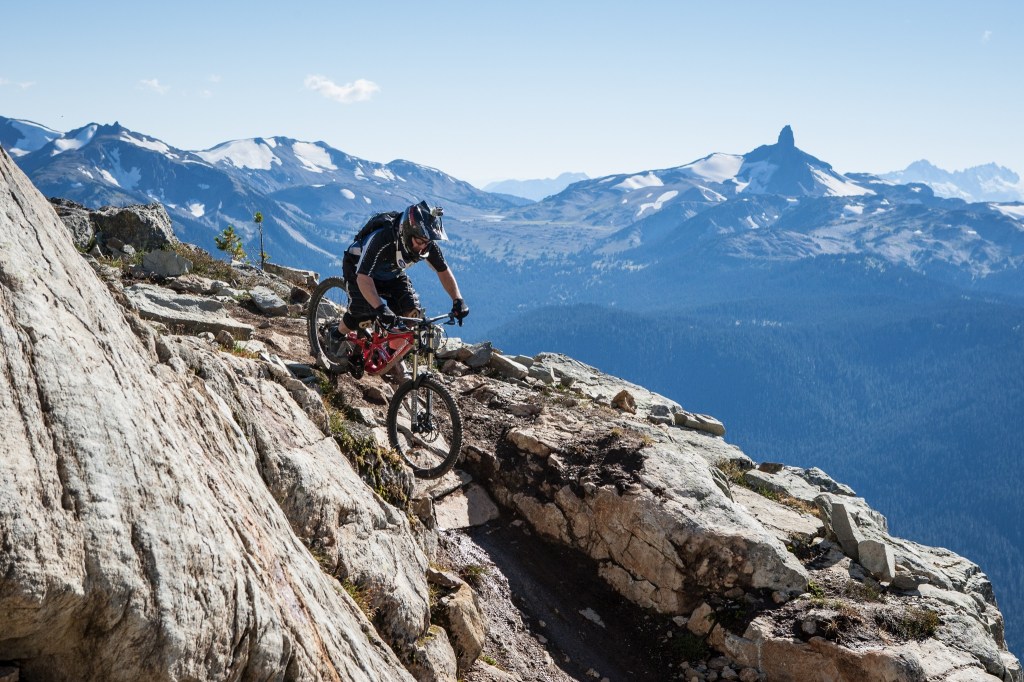
Another important element is the concept of “earning” exhaustion. There is a difference between being drained by stress and being tired from purposeful effort. When someone finishes a long climb or a demanding ride, the fatigue feels honest. Muscles ache, lungs burn, and the body signals that it has been used well. That kind of tiredness often brings a deep sense of satisfaction.
The structure of a ride also mirrors the emotional cycles people experience in life. Climbs can feel relentless, demanding patience and perseverance. Descents bring relief and exhilaration. Technical sections test confidence and adaptability. Riders learn to accept that difficulty is temporary and that persistence eventually leads to smoother ground.
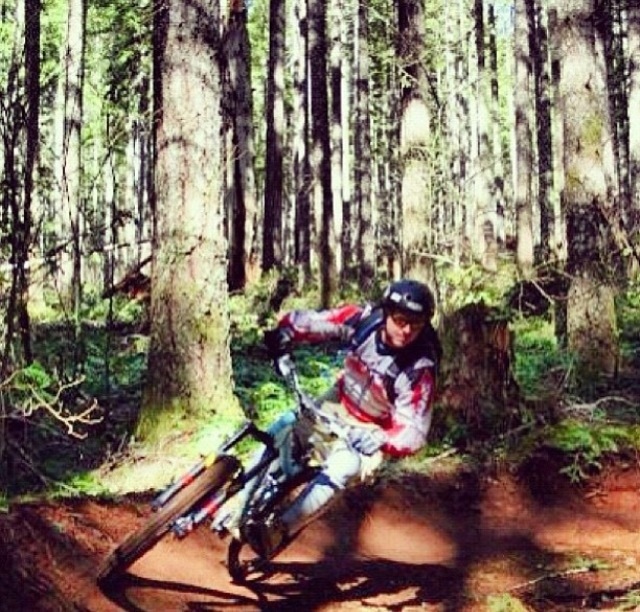
This activity also builds resilience. Trails are unpredictable, and mistakes are inevitable. Riders stall on climbs, lose traction, or take a wrong line. Each small failure teaches adjustment rather than defeat. Over time, that mindset can carry into daily life, encouraging people to approach challenges with curiosity instead of fear.
Community can further strengthen the mental health benefits of the sport. Riding with others creates shared experiences of effort and accomplishment. Conversations before and after rides often feel more open and honest than those in more formal settings. Physical activity lowers social barriers and allows connection to develop naturally.
Equally important are the quiet moments when someone rides alone. Solitary time on the trail allows thoughts to settle without interruption. The repetitive cadence of pedaling can act almost like meditation. Many riders report that problems that once felt overwhelming begin to look manageable after time spent moving through the landscape.
Ultimately, the idea that a mind clears when the body has truly been worked reflects a simple truth. The mind and body are deeply connected, and mental clarity often follows physical effort. Mountain biking provides a powerful way to channel stress, reconnect with nature, and restore balance. In a world that rarely slows down, the trail offers a place where exhaustion becomes a form of healing.
Categories: Lifestyle, Opinion
 Opinion: The Link Between Float Tanks and Performance
  Opinion: The Art of Recovery // Healing Right After a Mountain Bike Injury
  Opinion: The Interbeing of Mountain Biking
  Opinion: Two Paths, One Presence // The Shared Mindset of Riding and Stillness
  Cascadia MTB
Leave a comment