
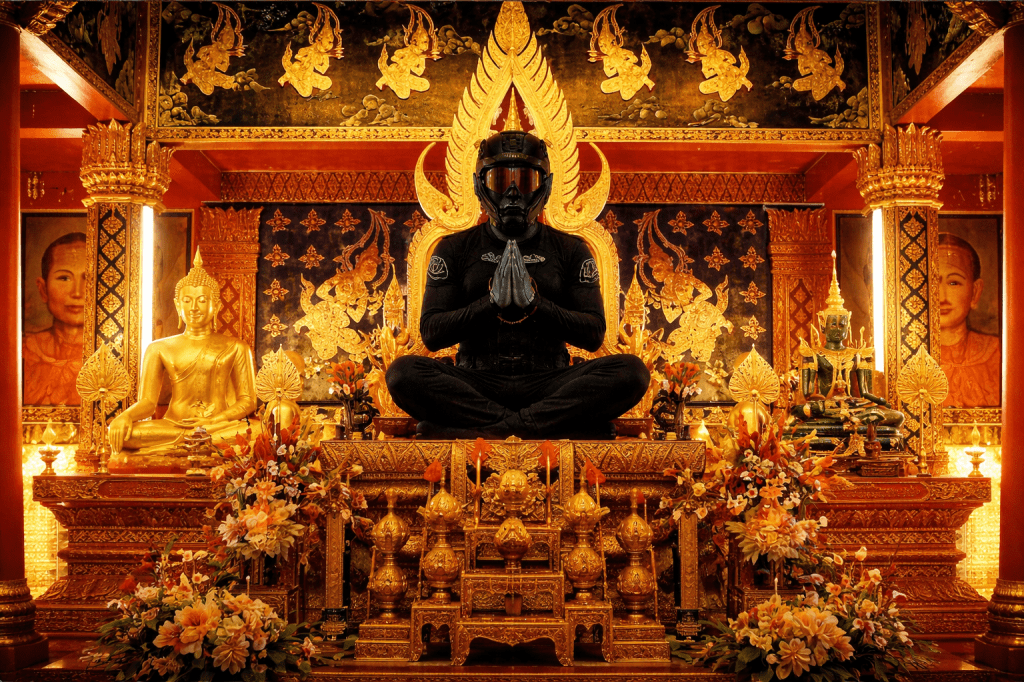
Stop Chasing Flow // Let the Trail Bring It
Flow state is one of the most talked-about experiences in mountain biking, yet it remains one of the least understood. Riders often describe it as being “in the zone,” where everything clicks and the trail seems to ride itself. But despite how often people chase it, flow isn’t something you can simply decide to enter. It doesn’t respond to force or demand. Instead, it appears when the conditions are right—when preparation, presence, and environment quietly align.
Many riders make the mistake of treating flow state like a destination. They go out on a ride with the expectation that they will “find it,” as if it’s waiting somewhere along the trail like a landmark. This mindset can actually work against them. The harder you reach for flow, the more it slips away, replaced by frustration or overthinking. Flow resists effort in that sense; it’s not something you conquer.
Mountain biking itself teaches a different lesson. Trails are unpredictable, full of rocks, roots, loose corners, and sudden changes in terrain. If you ride with rigid expectations, you end up fighting the trail. But when you adapt—when you respond instead of control—you start to sync with what’s in front of you. That synchronization is where flow begins to emerge, not because you forced it, but because you allowed it.
Skill plays a quiet but critical role. Flow state tends to show up when your abilities are well-matched to the challenge at hand. If a trail is too easy, your mind wanders. Too difficult, and fear takes over. But in that narrow band where challenge and skill meet, your focus sharpens naturally. You’re not thinking about flow—you’re simply riding, fully engaged.
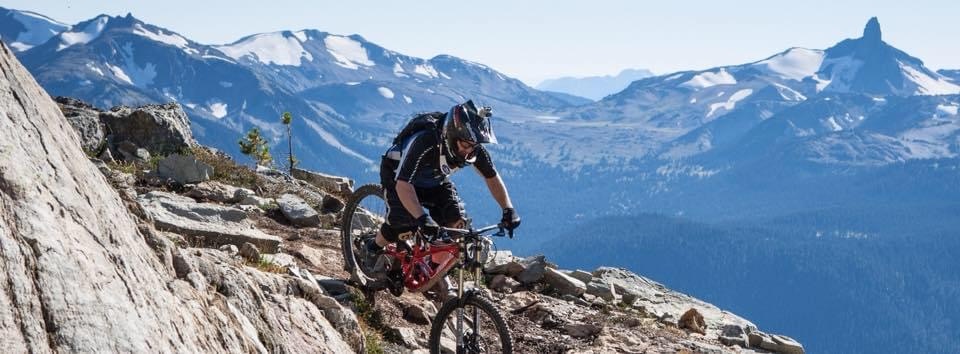
There’s also a mental shift that happens. In everyday life, we’re constantly evaluating, judging, and narrating our experiences. On the trail, those habits can become obstacles. Flow requires a kind of mental silence, where the inner commentary fades and your attention locks into the present moment. You’re not analyzing the next turn—you’re already in it.
Interestingly, trying to “clear your mind” rarely works either. Just like chasing flow directly, forcing calmness can backfire. Instead, presence grows out of attention to detail—the sound of tires on dirt, the feel of suspension compressing, the rhythm of pedaling and braking. These small sensory anchors naturally draw you into the moment without effort.
Confidence is another piece of the puzzle, but not the loud, aggressive kind. It’s a quiet trust in your skills and your bike. When you trust your ability to handle what’s coming, hesitation fades. That trust doesn’t come from wishing—it’s built through repetition, small successes, and even failures. Over time, it creates a foundation where flow can land.
Environment matters more than people think. The right trail, the right conditions, even the right mood can influence whether flow shows up. A familiar trail might make it easier to settle in, while a new one demands more conscious attention. Weather, traction, and even who you’re riding with can shift your mindset. Flow isn’t separate from these factors—it emerges through them.
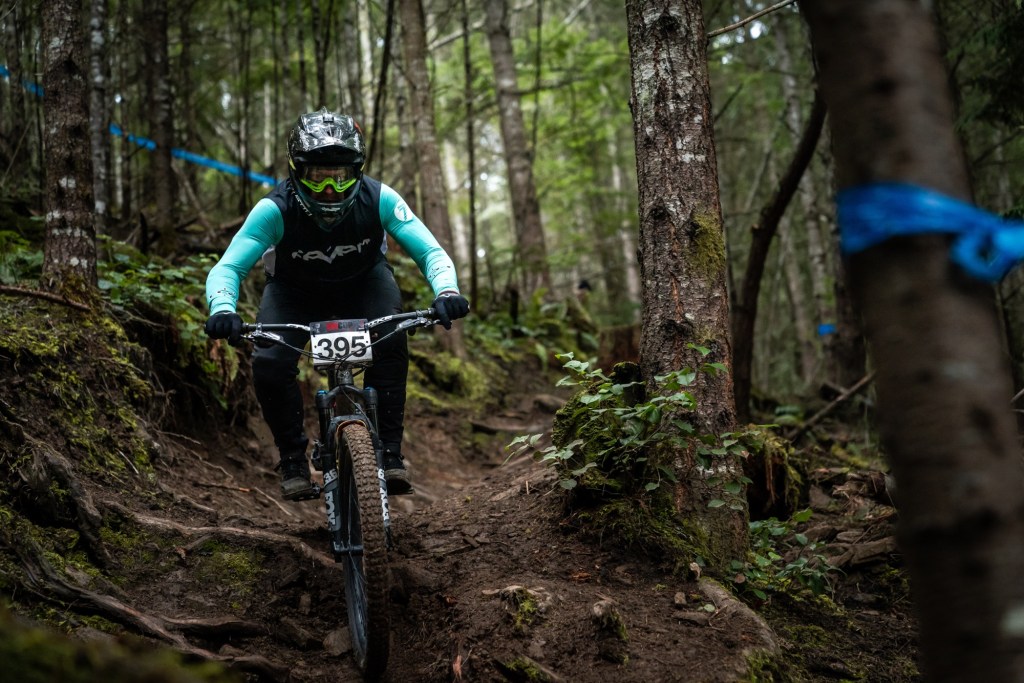
There’s also a paradox at the heart of it all: the more you let go of needing flow, the more likely you are to experience it. When the goal becomes simply riding well, staying present, and enjoying the process, you remove the pressure that blocks it. Flow thrives in that absence of pressure, where performance and enjoyment start to overlap.
In the end, flow state isn’t something you hunt down on a mountain bike. It’s something that visits when you’ve done the work and then stepped out of your own way. You prepare your body, refine your skills, and show up fully—but you don’t force the outcome. When everything aligns, even briefly, flow arrives on its own terms, and for a moment, riding feels effortless.
Categories: mountain bike, Opinion
 Opinion: Why Donating to Mountain Bike Advocacy Organizations Matters
  Opinion: The Interbeing of Mountain Biking
  Why I Stepped Away from Mountain Bike Racing and Chose a More Spiritual Way of Riding
  Opinion: Flow Trails Pros and Cons

Leave a Reply