
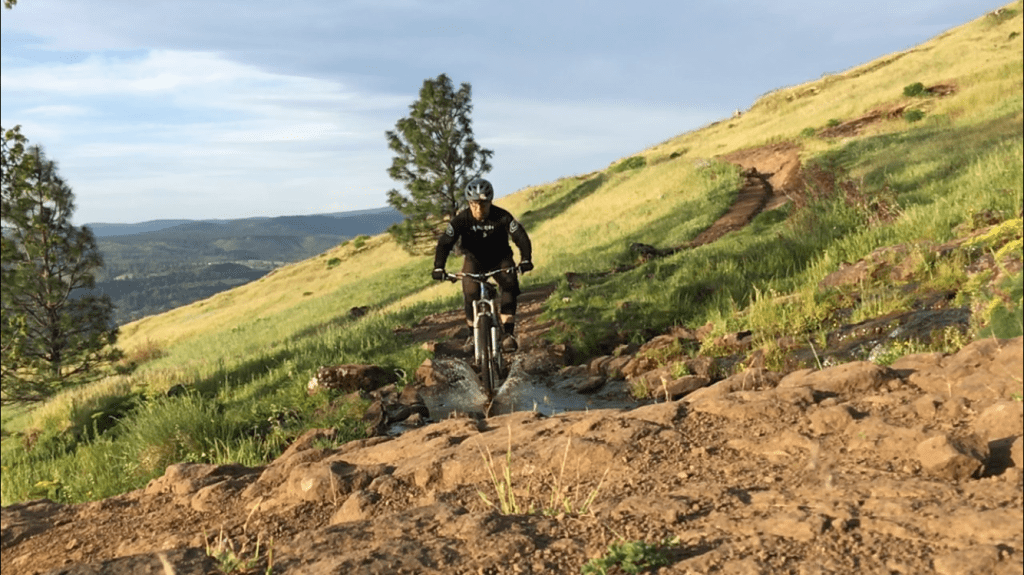
Cons – Manufactured Ride, Missing Soul
Flow trails, with their sculpted berms, rolling jumps, and machine-built precision, represent a significant shift in the experience of mountain biking. While they have broadened the sport’s appeal and accessibility, they also raise questions about what is lost when difficulty, unpredictability, and raw terrain are engineered out. For many riders, mountain biking has always been about engaging directly with nature’s irregularities—roots, rocks, off-camber turns, and sudden obstacles. Flow trails, by design, smooth over these features, replacing organic challenge with curated rhythm. This transformation can feel less like riding through a wild landscape and more like navigating a designed experience.
One of the core criticisms is that flow trails reduce the need for technical skill. Traditional trails demand precise line choice, balance, and adaptability to constantly changing terrain. Riders must read the trail in real time and respond instinctively. Flow trails, on the other hand, often guide the rider along a predetermined path where momentum and body positioning matter more than problem-solving. As a result, some argue that they diminish the depth of skill development that defines mountain biking at its core.
There is also a philosophical argument about the relationship between rider and environment. Mountain biking has long been rooted in an appreciation for rugged, natural landscapes. The challenge comes not only from riding but from understanding the terrain. Flow trails, being heavily modified or entirely constructed, can disrupt this relationship. Instead of adapting to the mountain, the mountain is reshaped to suit the rider, shifting the dynamic from one of respect and interaction to one of control and predictability.
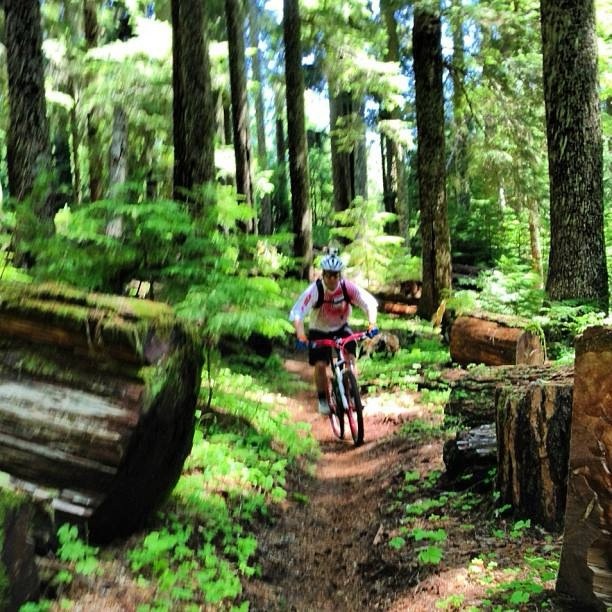
Flow trails can also homogenize the riding experience. Whether in one region or another, many flow trails share similar design elements—smooth surfaces, consistent berms, predictable rollers. This consistency can make different locations feel interchangeable, reducing the sense of discovery that comes from riding unique, naturally formed trails. In contrast, raw trails often reflect the character of their environment, offering a distinct experience shaped by local geology and climate.
Another concern is that flow trails encourage a narrower style of riding. They tend to favor speed, rhythm, and airtime over slow, technical maneuvering. Riders who prefer trials-like precision or steep, technical descents may find less satisfaction on these trails. Over time, as trail networks prioritize flow-style construction, other forms of riding risk being marginalized, limiting the diversity that has historically defined the sport.
From a cultural perspective, flow trails can shift the identity of mountain biking. The sport has roots in exploration, risk, and a certain level of grit. Early riders often built trails informally and rode in remote, rugged areas. Flow trails, often developed with significant funding and machinery, can feel more like managed recreational infrastructure than grassroots expressions of the sport. This institutionalization can dilute the rebellious, DIY ethos that many riders value.
There is also the issue of progression. While flow trails are often marketed as beginner-friendly, they can create a misleading sense of ability. Riders may become comfortable at higher speeds and with larger features in a controlled environment but struggle when faced with natural, technical terrain. This can create a gap between perceived and actual skill, potentially increasing risk when riders venture onto more demanding trails.
Environmental considerations further complicate the picture. While well-built flow trails can be sustainable, their construction often involves significant alteration of the landscape. Heavy machinery, soil displacement, and grading can impact ecosystems in ways that more traditional, minimally invasive trails do not. For riders who value low-impact interaction with nature, this level of intervention can feel at odds with the spirit of the sport.
That said, it’s important to acknowledge that flow trails have played a role in expanding mountain biking’s popularity. They make the sport more approachable and can serve as entry points for new riders. However, the concern is not their existence but their dominance. When trail systems prioritize flow over technical diversity, they risk narrowing the experience rather than enriching it.
Ultimately, the debate over flow trails comes down to what mountain biking is meant to be. If it is about speed, accessibility, and engineered enjoyment, then flow trails deliver. But if it is about challenge, connection to the natural world, and the unpredictable nature of the terrain, then something essential may be lost. Preserving the spirit of mountain biking may require a balance—one that values both the crafted and the raw, without allowing one to eclipse the other.
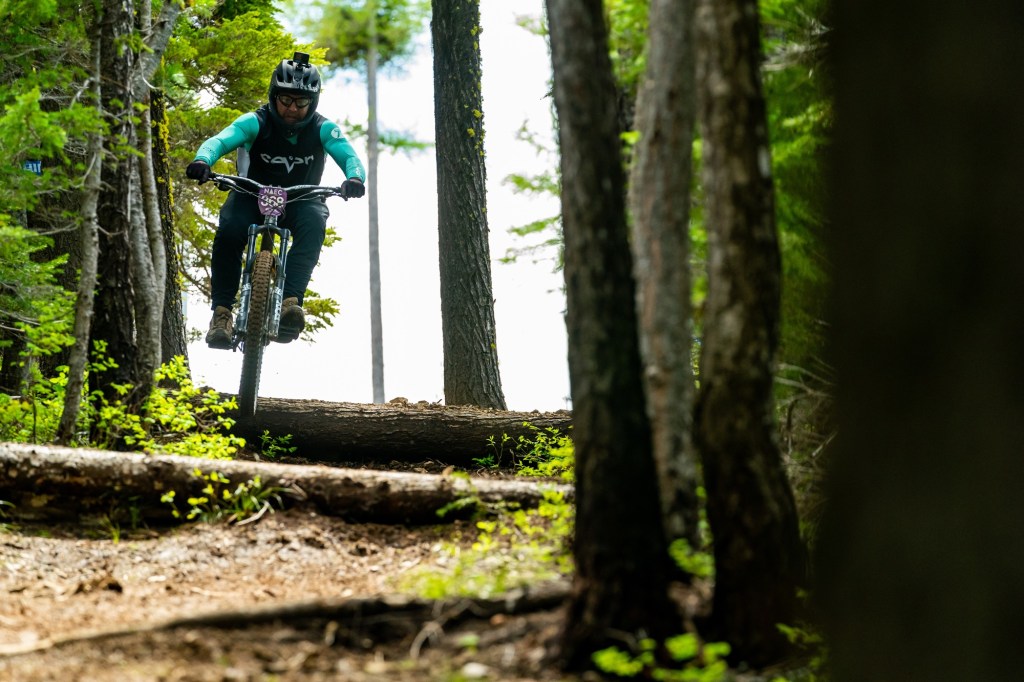
Pros – Why Flow Trails Strengthen the Spirit of the Sport
Flow trails represent an evolution of mountain biking that enhances, rather than diminishes, the spirit of the sport. By blending thoughtful design with the natural landscape, they create a riding experience that emphasizes flow, creativity, and sustained enjoyment. Instead of stripping away challenge, they reframe it—rewarding riders who can maintain momentum, pump terrain efficiently, and link features with precision. This shift reflects not a loss of identity, but a broadening of what mountain biking can be.
At their core, flow trails celebrate movement. The rhythm of berms, rollers, and jumps encourages riders to engage with the trail in a dynamic, almost musical way. Timing, body position, and energy management become central skills. While traditional technical trails demand line choice and slow-speed control, flow trails emphasize speed control and fluidity. Both require skill, just different kinds, and mastering flow terrain can be just as demanding in its own right.
Accessibility is one of the strongest arguments in favor of flow trails. They lower the barrier to entry for new riders, making mountain biking less intimidating without making it trivial. A well-designed flow trail can introduce beginners to core concepts like cornering, braking, and weight distribution in a controlled environment. This fosters confidence and encourages progression, helping more people develop a lasting connection to the sport.
Flow trails also contribute to rider progression in a structured and scalable way. Features are often designed with progression in mind—small rollers lead to larger jumps, gentle berms evolve into more aggressive turns. Riders can build skills incrementally, reducing the likelihood of injury and frustration. This intentional design helps riders push their limits safely, something that purely natural trails do not always accommodate.
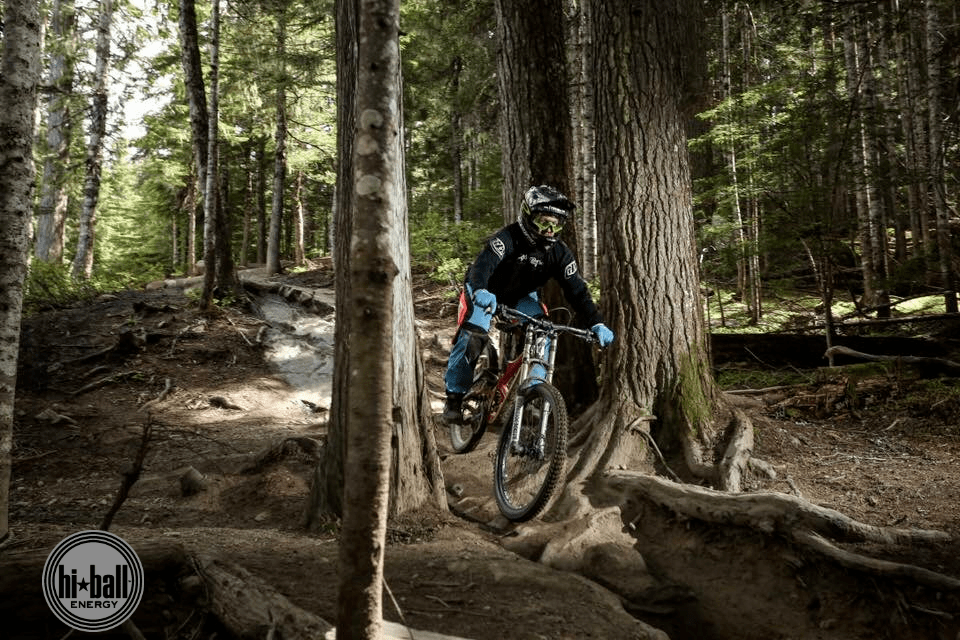
Rather than disconnecting riders from nature, flow trails can deepen that connection by making more terrain rideable and enjoyable. Trail builders often work with the contours of the land, creating lines that complement the landscape rather than fight against it. When done responsibly, flow trails can highlight natural features and guide riders through environments they might otherwise struggle to navigate, enhancing appreciation rather than diminishing it.
The argument that flow trails homogenize the riding experience overlooks the creativity and regional variation in modern trail design. While certain elements are common, the way they are implemented can vary widely depending on terrain, climate, and builder philosophy. A flow trail carved into a dense forest feels entirely different from one winding through alpine terrain or desert landscape. The core principles may be shared, but the experience remains distinct.
Culturally, flow trails have helped legitimize and grow mountain biking. As the sport has matured, purpose-built trails have allowed for safer, more sustainable, and more inclusive riding environments. This doesn’t erase the sport’s grassroots origins—it builds upon them. Many trail systems still incorporate a mix of hand-built and machine-built trails, preserving heritage while embracing innovation.
Environmental impact is often cited as a concern, but modern trail-building practices have become increasingly sustainable. Flow trails, when properly designed, can reduce erosion, manage water runoff, and concentrate rider traffic in durable corridors. This can actually protect surrounding ecosystems by minimizing the spread of informal or poorly constructed trails. In this sense, flow trails can represent a more responsible approach to land use.
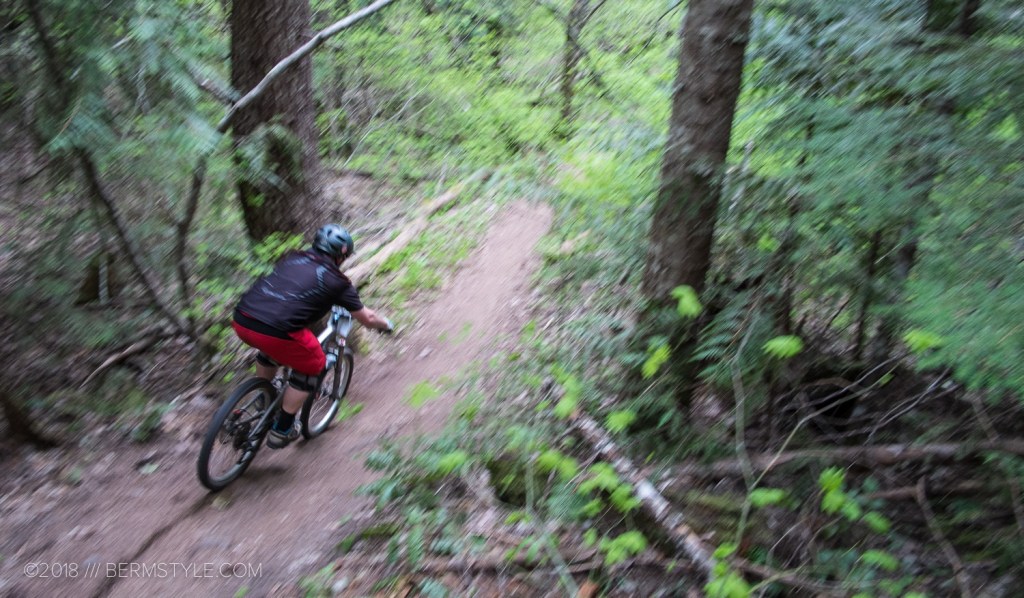
Another strength of flow trails is the way they foster community. Because they are accessible and enjoyable for a wide range of skill levels, they bring riders together. Beginners, intermediates, and advanced riders can often share the same trail, each finding their own challenge within it. This shared experience strengthens the social fabric of the sport and makes trail systems more welcoming.
Ultimately, flow trails don’t take away from the spirit of mountain biking—they reflect its ongoing evolution. The essence of the sport has always included adaptation, creativity, and a desire to ride terrain in new ways. Flow trails embody these values, offering a different but equally valid expression of what it means to ride. Rather than replacing traditional trails, they expand the spectrum, ensuring that mountain biking remains diverse, inclusive, and continually progressing.
Categories: mountain bike, Opinion
 Opinion: Why Donating to Mountain Bike Advocacy Organizations Matters
  Opinion: The Interbeing of Mountain Biking
  Why I Stepped Away from Mountain Bike Racing and Chose a More Spiritual Way of Riding
  Opinion: Stop Chasing Flow // Let the Trail Bring It

Leave a Reply