
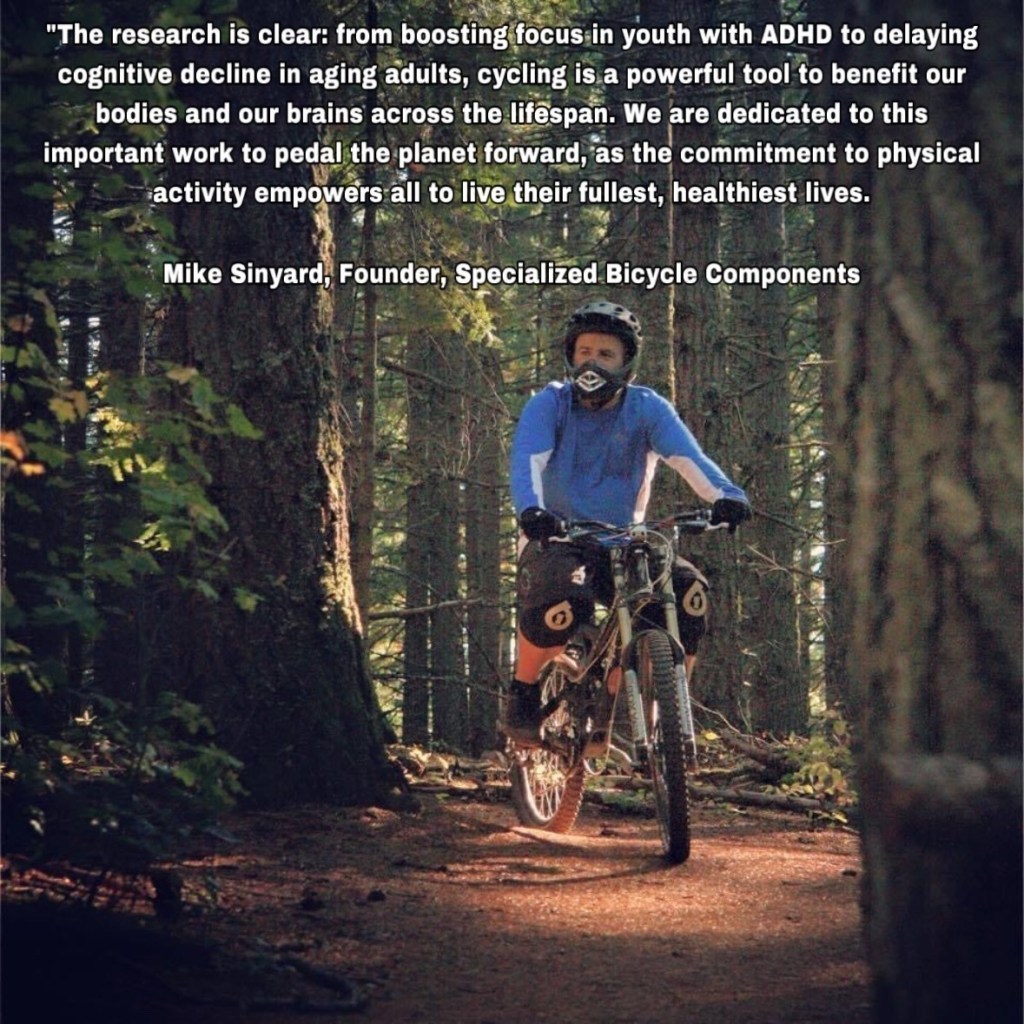

The Connection Between Cycling, Mood, and Brain Health
Cycling is often viewed as a physical activity that improves cardiovascular fitness and muscular endurance, but its effects on mental and cognitive health are equally important. Whether someone rides mountain trails, commutes through the city, or pedals along quiet country roads, cycling offers benefits that extend far beyond physical conditioning. The repetitive motion, exposure to outdoor environments, and sustained aerobic effort all contribute to improvements in mood, focus, memory, and emotional resilience. In a world where stress, anxiety, and mental fatigue are increasingly common, cycling has become a powerful tool for maintaining psychological well-being.
One of the most immediate mental health benefits of cycling is stress reduction. During exercise, the body releases endorphins, dopamine, and serotonin—chemicals associated with happiness and emotional balance. These natural mood boosters help reduce feelings of anxiety, frustration, and tension. Many cyclists describe riding as a form of moving meditation because the rhythmic motion of pedaling allows the mind to settle and become less consumed by daily worries. Even a short ride after work or school can help clear mental clutter and restore emotional calm.

Cycling also helps combat depression by encouraging routine, movement, and exposure to sunlight. Physical inactivity is closely connected to depressive symptoms, while aerobic exercise has repeatedly been shown to improve mood and emotional stability. Riding outdoors adds another layer of benefit because sunlight helps regulate vitamin D levels and circadian rhythms, both of which influence mental health. For people struggling with isolation or emotional burnout, cycling can create a sense of purpose and momentum that gradually improves overall outlook and motivation.
Another important benefit of cycling is its impact on cognitive function. Aerobic exercise increases blood flow to the brain, delivering more oxygen and nutrients that support healthy neural activity. Studies have shown that regular cardiovascular exercise can improve memory, concentration, and information processing speed. Cycling stimulates the hippocampus, the area of the brain associated with learning and memory, which may help preserve cognitive abilities as people age. In this way, riding a bike supports both immediate mental clarity and long-term brain health.
Cycling is especially beneficial for attention and focus. Many people find that after a ride, they are able to think more clearly and remain productive for longer periods of time. This is partly because exercise reduces mental fatigue while improving the brain’s ability to regulate attention. For students and professionals alike, cycling can sharpen concentration and improve problem-solving skills. Some individuals even use cycling as a mental reset before important work because it helps organize thoughts and reduce distractions.
The outdoor environments associated with cycling also contribute significantly to cognitive and emotional wellness. Riding through forests, parks, riverside paths, or mountain trails exposes individuals to natural scenery that has calming psychological effects. Research on nature exposure suggests that time spent outdoors lowers cortisol levels, reduces mental exhaustion, and improves mood. Unlike indoor exercise, cycling often combines physical activity with constantly changing landscapes, which stimulates the senses and keeps the brain engaged in a healthy and refreshing way.

Cycling can also strengthen self-confidence and emotional resilience. Setting riding goals, overcoming steep climbs, or improving endurance creates a sense of accomplishment that carries into other areas of life. Each ride reinforces discipline, persistence, and personal growth. For individuals dealing with anxiety or low self-esteem, successfully completing challenging rides can build confidence and reinforce the belief that obstacles can be overcome through patience and effort. Over time, this mindset can positively influence work, relationships, and overall mental outlook.
Social connection is another valuable aspect of cycling that benefits mental health. Group rides, cycling clubs, and community events provide opportunities for friendship and shared experiences. Social isolation is a major contributor to depression and emotional decline, but cycling creates natural opportunities for conversation, teamwork, and mutual support. Even casual interactions between cyclists can create a sense of belonging and community. These social bonds are especially important because strong relationships are closely linked to long-term emotional stability and cognitive resilience.
Cycling may also play a role in protecting the brain from cognitive decline later in life. Research suggests that regular aerobic exercise can reduce the risk of dementia and age-related memory loss by improving circulation and supporting neural plasticity. Exercise encourages the growth of new neural connections and helps reduce inflammation that can damage brain tissue over time. Because cycling is low-impact compared to activities like running, it remains accessible to many older adults who want to maintain both physical mobility and mental sharpness as they age.
In conclusion, cycling is far more than a recreational activity or mode of transportation. It is a powerful practice that supports mental health, emotional stability, and cognitive performance. By reducing stress, improving mood, strengthening focus, and supporting long-term brain function, cycling offers benefits that affect nearly every aspect of psychological well-being. Whether someone rides for fitness, transportation, competition, or relaxation, the act of pedaling can become an important part of maintaining a healthier and more balanced mind.

Outride | Science Says Ride to Think Better and Feel Better
Podcast summary
What if science proved what riders already know?That riding clears your head. Sharpens your focus. Improves your mood. Connects you to yourself, to others, and to the world around you.In this episode of the Specialized Podcast, host Ben Capron sits down with Esther Walker, Executive Director of the Outride Foundation, to explore the growing body of research showing how riding bikes positively impacts brain health, mental well-being, cognitive performance, and human connection.Outride began with a simple question inspired by Specialized founder Mike Sinyard after reading an article titled Cycling Is My Ritalin: could riding a bike measurably improve focus and cognitive function, particularly for people with ADHD?That question launched years of scientific research in partnership with institutions like Stanford University and helped spark programs that have now reached more than 400 schools and impacted more than 500,000 students across North America.Rather than hype or speculation, this episode offers a human and science-backed look at why riding helps us think, feel, and flourish,covering:How riding improves focus, executive function, mood, and stress regulationWhy consistency matters more than intensity when it comes to brain healthHow Stanford researchers measured real-time brain activity while ridingThe connection between cycling, neuroplasticity, memory, and reduced dementia riskHow Riding for Focus brings bikes, helmets, curriculum, and teacher training into schoolsThe power of confidence, skill building, and joy in helping students flourishStories from communities like the Navajo Nation, where bikes are opening new pathways for health, connection, and opportunityHow programs like Silver Stallion Bicycle & Coffee Works help sustain cycling culture through service, skills, and communityWhy athletes like Demi Vollering, Christopher Blevins, and Haley Batten help amplify the Outride missionHow riders, schools, communities, brands, and volunteers can all help more people experience the benefits of cyclingWhether you ride every day, support young riders, work in education, or simply believe bikes can change lives, this conversation is a reminder that riding is more than fitness or speed. It is a powerful tool for focus, connection, confidence, and well-being.Follow Outride: @outride
 Opinion: Why Donating to Mountain Bike Advocacy Organizations Matters
  Opinion: Mountain Biking, Flow State, and the Psychology of Healing

Leave a comment